Digital Periphery Emerges as Potential Savior for India's Ailing Mainstream Media
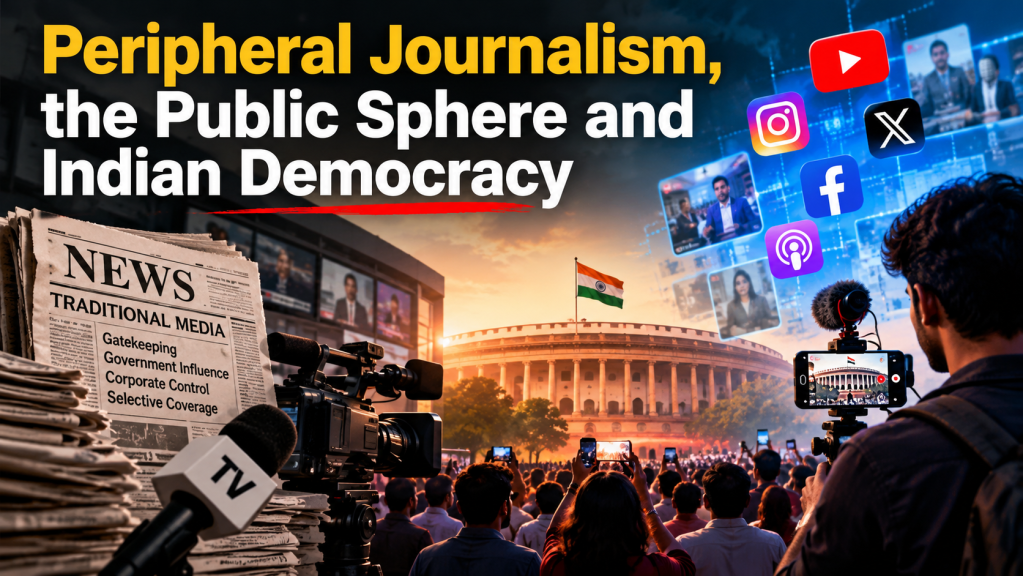
- •Mainstream Indian media is facing an unprecedented structural shift in how political communication is curated and consumed.
- •The rapid proliferation of mobile internet and regional digital platforms has decentralized the traditional public sphere.
- •Observers note that digital outlets operating on the periphery may hold the key to revitalizing public trust and journalistic integrity.
NEW DELHI — A profound and largely unmapped transformation is reshaping the architecture of political communication across India, as decentralized digital platforms increasingly challenge the dominance of traditional mainstream media. For decades, legacy news organizations held a tight monopoly over the curation of the Indian public sphere, determining which narratives reached the citizenry. However, the widespread adoption of mobile internet technology has dismantled these historic gatekeeping mechanisms, empowering independent digital journalists operating at the geographic and institutional peripheries to capture significant public attention.
Historically, the Indian media ecosystem relied heavily on centralized print and television conglomerates to frame national discourse, a model that has faced mounting criticism in recent years due to allegations of commercial compromise and diminishing editorial independence. Before smartphones democratized content creation, regional voices and grassroots issues struggled to bypass the traditional editorial filters of metropolitan newsrooms. The current tectonic shift represents a direct consequence of this historical bottleneck, as audiences increasingly migrate toward agile, independent digital outlets that offer unfiltered, hyper-local perspectives previously ignored by the establishment.
According to regional reporting and media analysts highlighted by EastMojo, this burgeoning digital periphery is not merely an alternative source of information, but a vital corrective force capable of restoring accountability to the nation's press. Industry observers point out that while legacy institutions grapple with declining credibility and financial strains, digital-first creators are pioneering innovative engagement models. These alternative platforms are proving that audiences actively crave substantive, grassroots reporting over homogenized corporate narratives.
Looking ahead, media experts predict that the survival of India's broader journalism sector will increasingly depend on symbiotic collaborations between traditional newsrooms and agile digital upstarts. As regulatory pressures evolve and monetization models for digital content mature, the periphery's influence is expected to institutionalize further. Ultimately, this grassroots transformation may compel the entire national media apparatus to adopt higher standards of transparency and public-interest reporting to regain lost audience trust.