Tensions Surface in Mizoram as Travel Agency Founder's Apology Spotlights Mizo-Chakma Relations
A public apology issued by the founder of MuroMuri travel agency has reignited intense public discourse surrounding ethnic tensions between the Mizo and Chakma communities in Mizoram. The unfolding controversy highlights deeply rooted historical sensitivities and ongoing social complexities within the region.

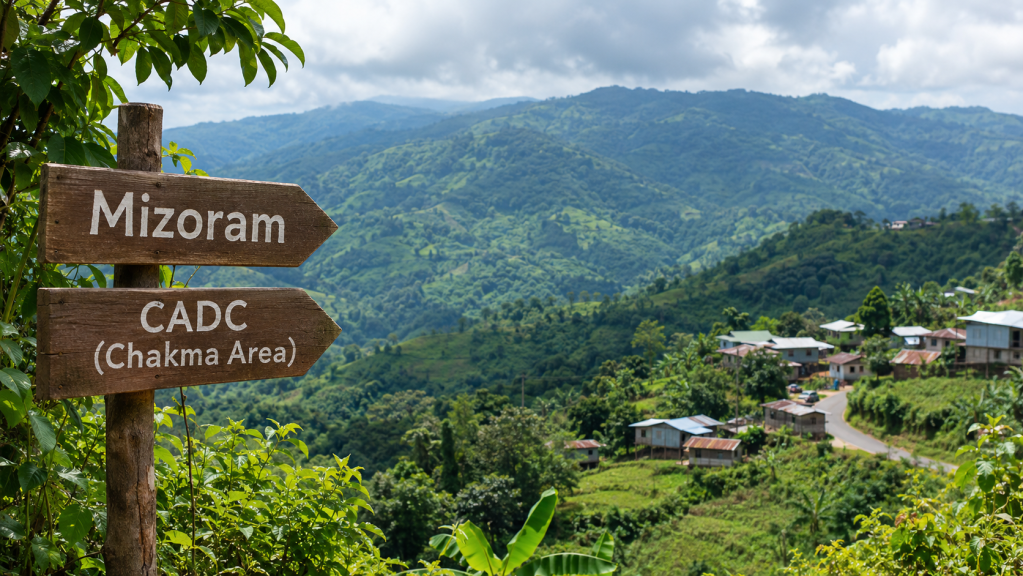
- A public apology by travel entrepreneur Surita has thrust Mizo-Chakma ethnic dynamics back into the regional spotlight.
- The ongoing dispute underscores complex historical tensions and cultural sensitivities deeply embedded within Mizoram's social fabric.
- Observers emphasize the urgent need for constructive dialogue and community-led reconciliation to prevent further polarization.
AIZAWL — A wave of public friction has gripped Mizoram following a controversial statement made by Surita, the founder of the travel platform MuroMuri, which culminated in a formal public apology regarding remarks directed at the Mizo community. The incident, which rapidly escalated across digital platforms, has once again laid bare the delicate socio-political equilibrium between the majority Mizo population and the Chakma community in the northeastern state.
This latest flashpoint does not exist in a vacuum, serving instead as a barometer for longstanding historical grievances and intermittent friction between the two ethnic groups. Over the years, issues concerning territorial autonomy, political representation, and cultural identity have frequently strained relations, making everyday discourse vulnerable to swift polarization whenever sensitive communal fault lines are triggered.
According to reports by EastMojo, community stakeholders and local civic organizations have been closely monitoring the fallout, urging restraint and constructive dialogue to de-escalate rising tempers. While civil society leaders have welcomed the swift retraction and apology from the agency founder, they stress that surface-level amends cannot fully resolve the underlying anxieties driving these recurring communal tensions.