Solar Energy Revolutionizes Healthcare Delivery in Remote Arunachal Pradesh Villages
Renewable energy installations are fundamentally reshaping medical access in isolated regions of Arunachal Pradesh, replacing historic reliance on makeshift transport with modern clinical capabilities. This clean energy shift overcomes longstanding infrastructural barriers to drastically improve patient outcomes in remote communities.

- Solar power installations have successfully eliminated the historic reliance on bamboo stretchers for emergency patient transport in isolated regions.
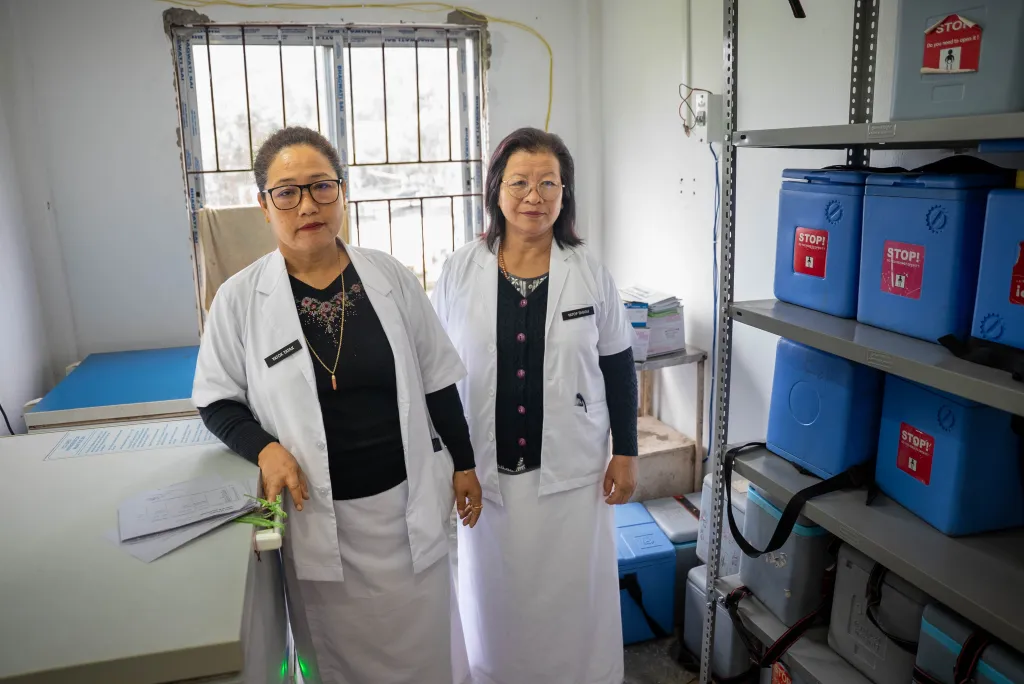
- Reliable electricity now enables critical on-site medical procedures such as equipment sterilization directly within village sub-centers.
- According to regional reports, clean energy integration serves as a blueprint for overcoming persistent infrastructural challenges in the Northeast.
ITANAGAR — In a profound paradigm shift for remote medical accessibility, decentralized solar energy systems are successfully modernizing healthcare delivery across isolated regions of Arunachal Pradesh. Historically hampered by severe grid unreliability and challenging terrain, local sub-centers can now maintain continuous operations, effectively bridging a critical gap in rural emergency medicine.
Previously, residents in these rugged locales faced harrowing journeys, often forced to transport ailing community members across miles of difficult topography using makeshift bamboo stretchers to reach distant hospitals. The absence of dependable electricity meant that basic clinical procedures, refrigeration for sensitive supplies, and instrument sterilization were virtually impossible during critical hours, leaving vulnerable populations medically underserved.
According to regional reporting by EastMojo, the integration of solar technology has radically altered this precarious reality by empowering local clinics with uninterrupted power supplies. Healthcare workers on the ground emphasize that the newfound energy independence allows them to perform essential sterilizations and administer timely treatments without fearing sudden grid failures or communication blackouts.