IIT Guwahati Researchers Uncover Plant Water Transport Mechanisms Amid Severe Drought Conditions
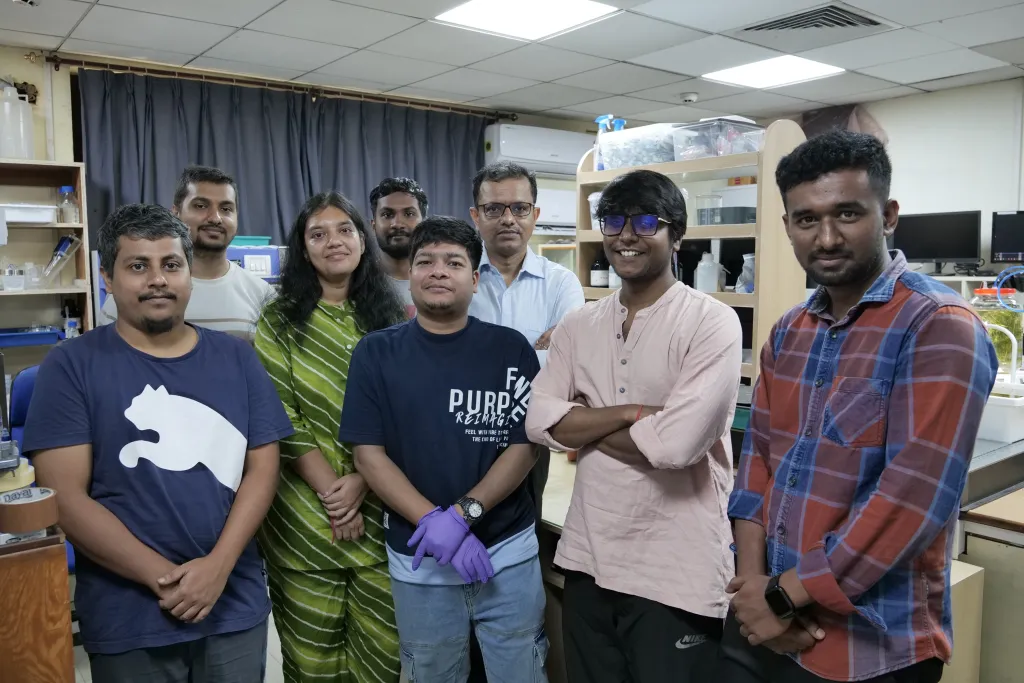
- •Researchers at IIT Guwahati mapped internal plant adjustments during dry spells.
- •Findings provide a foundation for breeding drought-tolerant crop varieties.
- •The study addresses escalating global food security threats driven by climate change.
A team of researchers at the Indian Institute of Technology (IIT) Guwahati has announced a significant breakthrough regarding how flora modifies internal hydration pathways during extreme drought conditions. Released this week, the comprehensive study sheds light on the physiological mechanisms plants employ to survive severe water scarcity, presenting critical data that could transform modern agricultural science.
As global temperatures rise and prolonged dry spells become increasingly frequent due to climate change, safeguarding agricultural yields remains a paramount challenge for agronomists and policymakers alike. Historically, understanding how vegetation manages xylem vulnerability and hydraulic failure under stress has eluded complete scientific consensus, leaving farmers vulnerable to catastrophic crop failures during arid seasons.
According to reports by EastMojo, the academic team utilized advanced observation techniques to monitor microscopic alterations in plant vascular systems when subjected to artificial water deprivation. Lead investigators noted that these biological adaptations are crucial for maintaining cellular integrity, offering a clear roadmap for geneticists aiming to replicate these traits in staple food sources.
Moving forward, the research team plans to collaborate with agricultural institutions to test these theoretical insights in field trials involving major food crops. If successfully applied, this scientific milestone could drastically improve global food security by enabling farmers to harvest resilient varieties capable of thriving in arid and semi-arid regions.