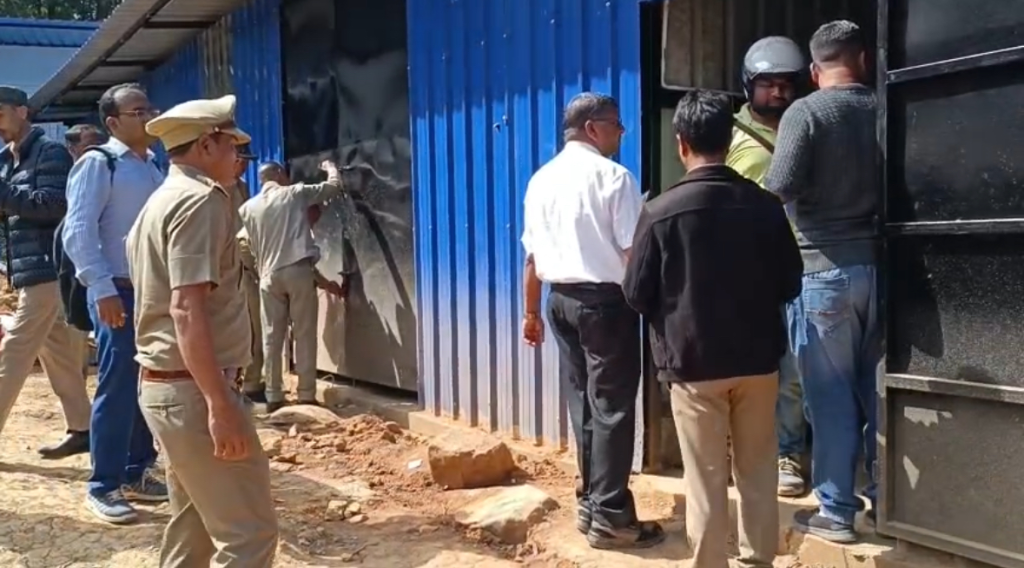
Shillong — The Meghalaya Tourism Department has filed a first information report against an inspector of the Khasi Hills Autonomous District Council, alleging the official unlawfully seized the lower terminal site designated for the proposed Shillong Peak ropeway project. The FIR, lodged late yesterday, marks a significant escalation in a brewing dispute over land control and infrastructure development in the state’s capital region.
The Shillong Peak ropeway has been projected as a flagship tourism initiative aimed at boosting visitor access to one of Meghalaya’s most iconic viewpoints while reducing vehicular traffic on the steep incline. However, the project has faced repeated hurdles regarding land acquisition, with the KHADC asserting jurisdiction over large swathes of territory in the Khasi Hills under the Sixth Schedule of the Indian Constitution. The alleged seizure of the lower terminal site underscores the persistent tension between the state tourism apparatus and the autonomous district council, which has at times resisted projects it views as bypassing traditional land-rights frameworks.
"This action reflects the Tourism Department’s commitment to advancing critical infrastructure projects that serve the public interest," a senior tourism official said on condition of anonymity, adding that the FIR was filed following "verified reports of unauthorized occupation" of the project site. Meanwhile, a spokesperson for the Khasi Hills Autonomous District Council declined to comment directly on the litigation but emphasized that any development in the region must align with the council’s autonomous governance protocols and consent mechanisms. Legal experts suggest the FIR could prompt a broader judicial review of the balance between state-led development and autonomous council authority in Meghalaya.
The FIR is expected to trigger an immediate investigation by Meghalaya’s police economic offences wing, with both departments likely to engage in emergency talks to resolve the land dispute without further delaying the ropeway’s proposed timeline. If the court upholds the tourism department’s claim, the project may resume swiftly; however, a ruling favoring the KHADC could force a redesign of the terminal layout or necessitate fresh land negotiations, potentially setting a precedent for future infrastructure ventures across India’s northeast hill states. Industry watchers note that the outcome will be closely monitored by other autonomous regions eyeing similar tourism-driven development projects.