Bajaj Auto Previews 2026 Scooter Lineup to Redefine Urban Mobility
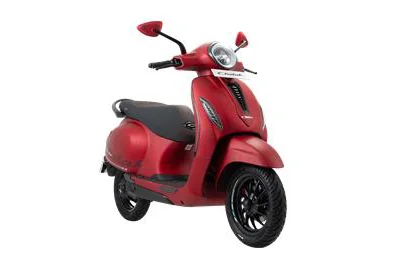
- •Bajaj Auto reveals its highly anticipated 2026 scooter portfolio targeting evolving urban mobility trends.
- •The upcoming models prioritize enhanced fuel efficiency, agile handling, and modern commuter-focused technology.
- •Industry analysts predict these releases will significantly intensify competition within the metropolitan two-wheeler sector.
Major two-wheeler manufacturer Bajaj Auto has officially offered an exclusive sneak peek into its upcoming 2026 scooter lineup, engineered specifically to address the shifting demands of modern urban commuters navigating congested city streets. The preliminary showcase, detailed in recent reports by the Nagaland Post, highlights a strategic shift toward agile, highly efficient personal transport options tailored for daily transit.
This latest product rollout comes at a time when metropolitan mobility patterns are undergoing a profound transformation. As traffic congestion worsens and urban density increases, commuters increasingly rely on two-wheelers for unmatched flexibility and convenience. Historically, manufacturers have focused primarily on power and basic utility, but the current market demands smarter integration of technology and ergonomic design to combat daily travel friction.
According to reports by the Nagaland Post, industry analysts and automotive experts have responded enthusiastically to the early previews, noting that Bajaj's upcoming fleet could set a new benchmark for urban commuting. Stakeholders within the sector point out that consumer preferences are rapidly pivoting away from traditional, bulky transport toward sleeker, more responsive machinery that minimizes carbon footprints while maximizing commuter ease.
Looking ahead, Bajaj Auto is expected to officially roll out the initial models of the 2026 lineup in the coming quarters, accompanied by comprehensive pricing and specification announcements. Market watchers anticipate that this aggressive product refresh will prompt rival manufacturers to accelerate their own urban-centric vehicle developments, ultimately reshaping the competitive landscape of the national two-wheeler market throughout the decade.