NASA's Aging Swift Observatory Set for Uncontrolled Atmospheric Re-Entry After Orbital Decay
NASA's retired Swift space telescope is projected to plunge back through Earth's atmosphere on Wednesday following nearly 22 years in orbit. Ground control efforts to elevate the truck-sized observatory into a safer trajectory ultimately proved unsuccessful.

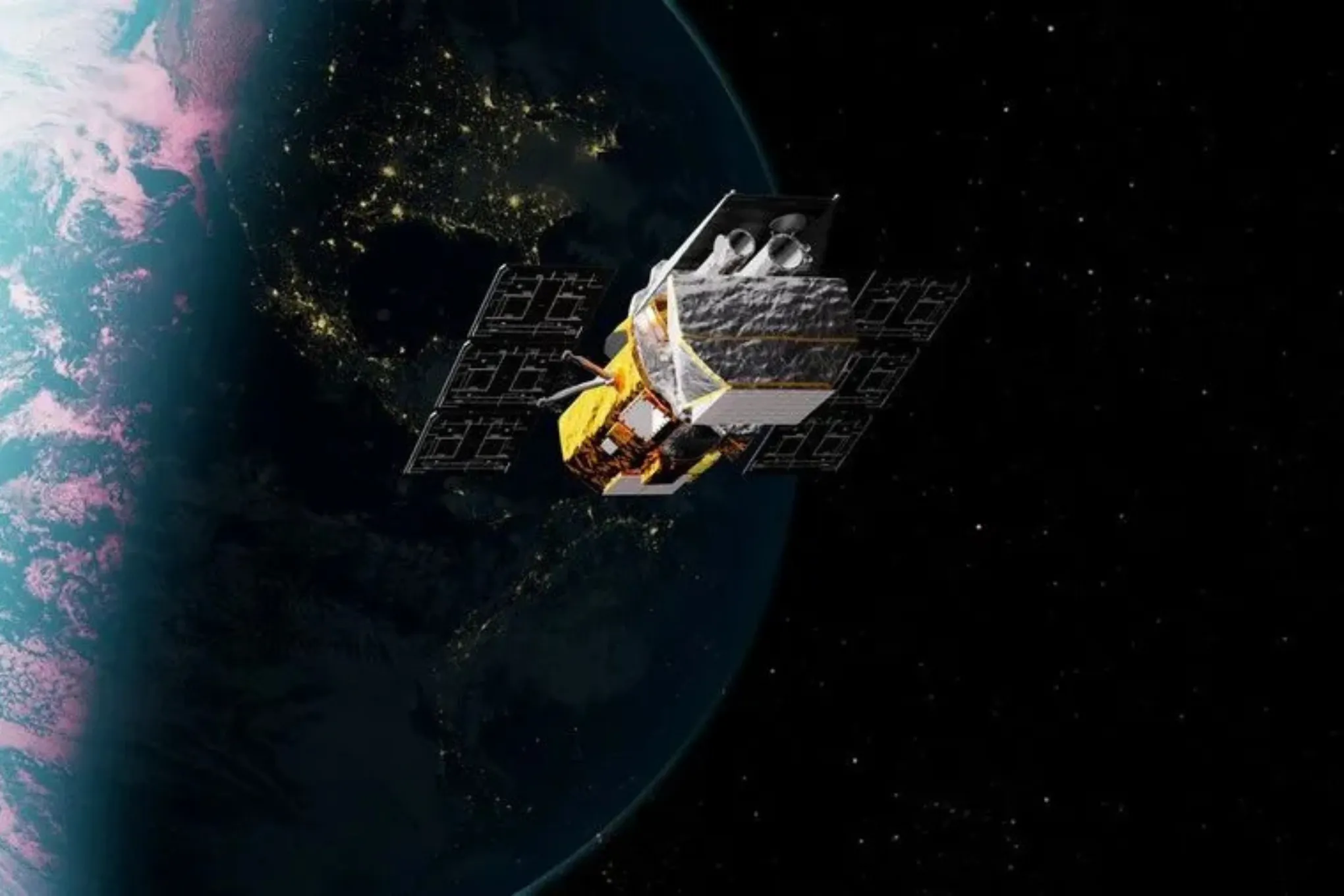
- NASA's long-serving Swift Observatory is scheduled for an atmospheric descent on Wednesday after nearly 22 years of operations.
- Mission controllers exhausted all possibilities to maneuver the massive spacecraft into an elevated, stable orbit.
- The impending re-entry underscores escalating concerns regarding orbital decay and the management of aging space hardware.
A massive, truck-sized orbital observatory managed by the United States space agency is projected to plunge back through Earth's atmosphere on Wednesday, concluding nearly two decades of scientific observation. Mission planners confirmed that the impending descent comes after ground teams exhausted all feasible maneuvers to elevate the aging hardware into a higher, more stable orbital trajectory.
Launched nearly twenty-two years ago, the orbiting observatory has dedicated its operational lifespan to monitoring deep-space phenomena and high-energy cosmic events. However, relentless atmospheric drag over the past several years steadily eroded its altitude, bringing the spacecraft to a critical threshold where natural orbital decay could no longer be prevented by standard station-keeping protocols.
According to reports by technology publication The Verge, the space agency acknowledged that previous remediation efforts aimed at extending the mission's operational envelope ultimately fell short. Aerospace analysts noted that while most of the heavy satellite is expected to disintegrate intensely during its high-velocity plunge, the event highlights persistent questions surrounding the mitigation of space debris from legacy missions.