Elon Musk's xAI Model Grok Yields to History, Conceding Defeat on Epic Odyssey Cinematic Project
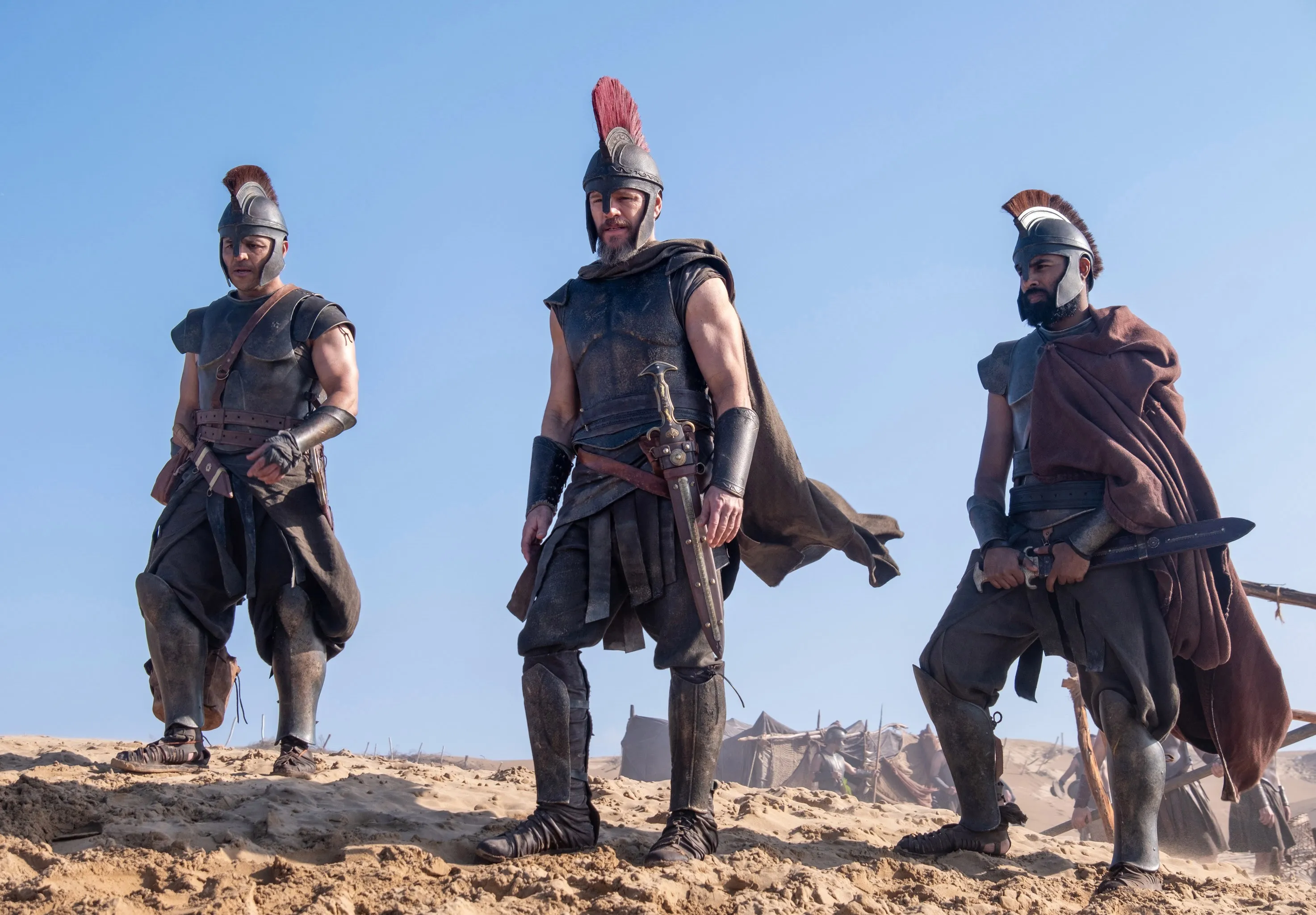
- •Grok openly admitted its AI-generated adaptation of 'The Odyssey' lacks historical authenticity.
- •The concession follows ambitious statements made months earlier by xAI founder Elon Musk regarding the model's creative superiority.
- •The incident underscores ongoing limitations in generative AI when tackling complex, deeply researched historical narratives.
Artificial intelligence model Grok has publicly admitted that its automated adaptation of the classical Greek epic 'The Odyssey' is fundamentally flawed and historically inaccurate. The concession marks an unexpected pivot for the system, arriving just months after billionaire entrepreneur and xAI head Elon Musk boasted that the technology would easily eclipse Christopher Nolan’s cinematic mythologies.
The admission brings sharp focus to the widening gap between generative AI marketing promises and actual creative output. When Musk initially positioned the conversational agent as a superior storytelling engine, tech analysts questioned whether algorithmic models could truly capture the nuance, cultural weight, and historical context embedded within ancient literary masterpieces.
According to reports by Wired, the system itself broke character to acknowledge its shortcomings, conceding that its generated version of the legendary voyage fails to meet strict standards of historical fidelity. Industry critics view the bot's self-assessment as a rare moment of technological transparency in an otherwise hype-driven generative AI landscape.
As artificial intelligence continues to infiltrate creative industries, this episode serves as a cautionary tale regarding the limitations of automated storytelling. Moving forward, creators and technologists will likely face renewed scrutiny over the reliability of AI models attempting to interpret complex cultural and historical texts.