technology
By Wire Chronicle Bureau•Wednesday, October 28, 2026 at 06:25 PM1 min readVerified Wire Report
Apple Breaks Decade-Long Taboo by Unveiling First Touchscreen MacBook
Wire Chronicle Editorial Visuals & Archive Independent Wire Coverage
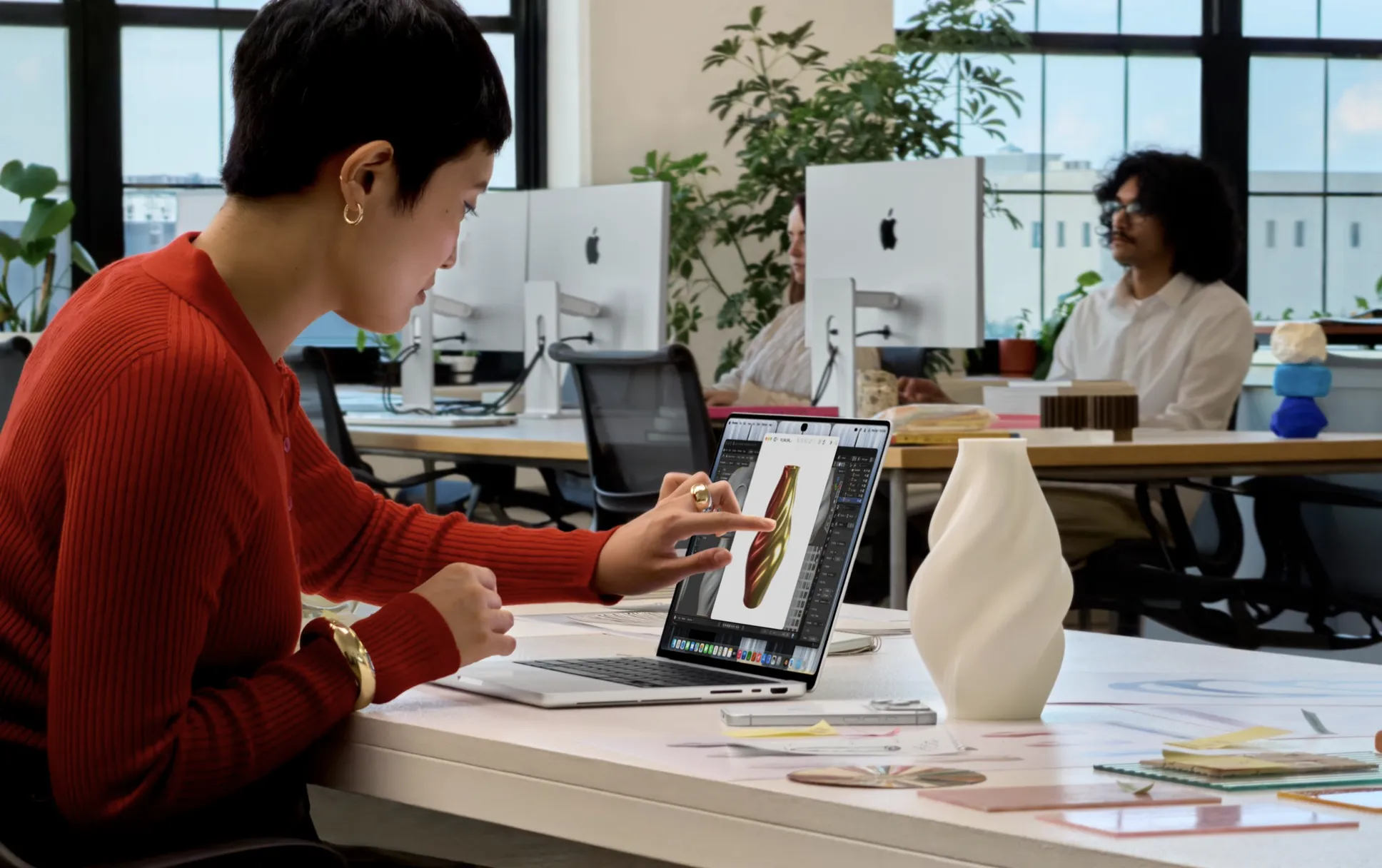
Apple Inc. has officially reshaped the personal computing landscape by unveiling its very first MacBook equipped with integrated touchscreen capabilities, marking a monumental shift in the company's hardware design philosophy. The announcement shatters a long-standing corporate taboo against touch-enabled laptops, a feature that has been standard in the Windows ecosystem for over a decade. Industry analysts note that this historic debut fundamentally redefines how consumers will interact with Apple's flagship portable computers moving forward.
While touchscreen laptops have dominated the PC market for years, Apple has historically resisted bringing the technology to its macOS lineup, arguing that vertical touch interfaces are ergonomically flawed for laptops. The decision to finally cross this bridge reflects changing consumer expectations and technological maturation. However, unlike competitors who aggressively restructured their operating systems for touch interaction years ago, Apple is intentionally avoiding a massive, disruptive rewrite of macOS for this new hardware generation.
According to detailed reporting by The Verge, the tech titan is exercising extreme caution with software adaptations, ensuring that traditional mouse and keyboard workflows remain completely uninterrupted. Industry observers point out that most touch interactions on the new device will mirror familiar gestures without imposing radical layout alterations that could alienate loyal pro users. This measured approach highlights Apple's desire to test the waters of touch-enabled macOS computing without compromising the core desktop experience.
Looking ahead, this foundational release sets the stage for a broader convergence between Apple's tablet and laptop ecosystems, even if the software transformation happens at a deliberate, measured pace. As developers begin optimizing their applications for this dual-input environment, the industry will be watching closely to see how user habits evolve. Ultimately, this strategic pivot could pressure rival hardware manufacturers to rethink their own touchscreen ergonomics and software integration standards in the years to come.