NASA Turns to Private Aerospace to Rescue Aging Hubble Space Telescope
NASA is exploring commercial partnerships to service and elevate the legendary Hubble Space Telescope before orbital decay seals its fate. While the observatory faces no immediate danger, experts project its operational lifespan will expire sometime in the early to mid-2030s.
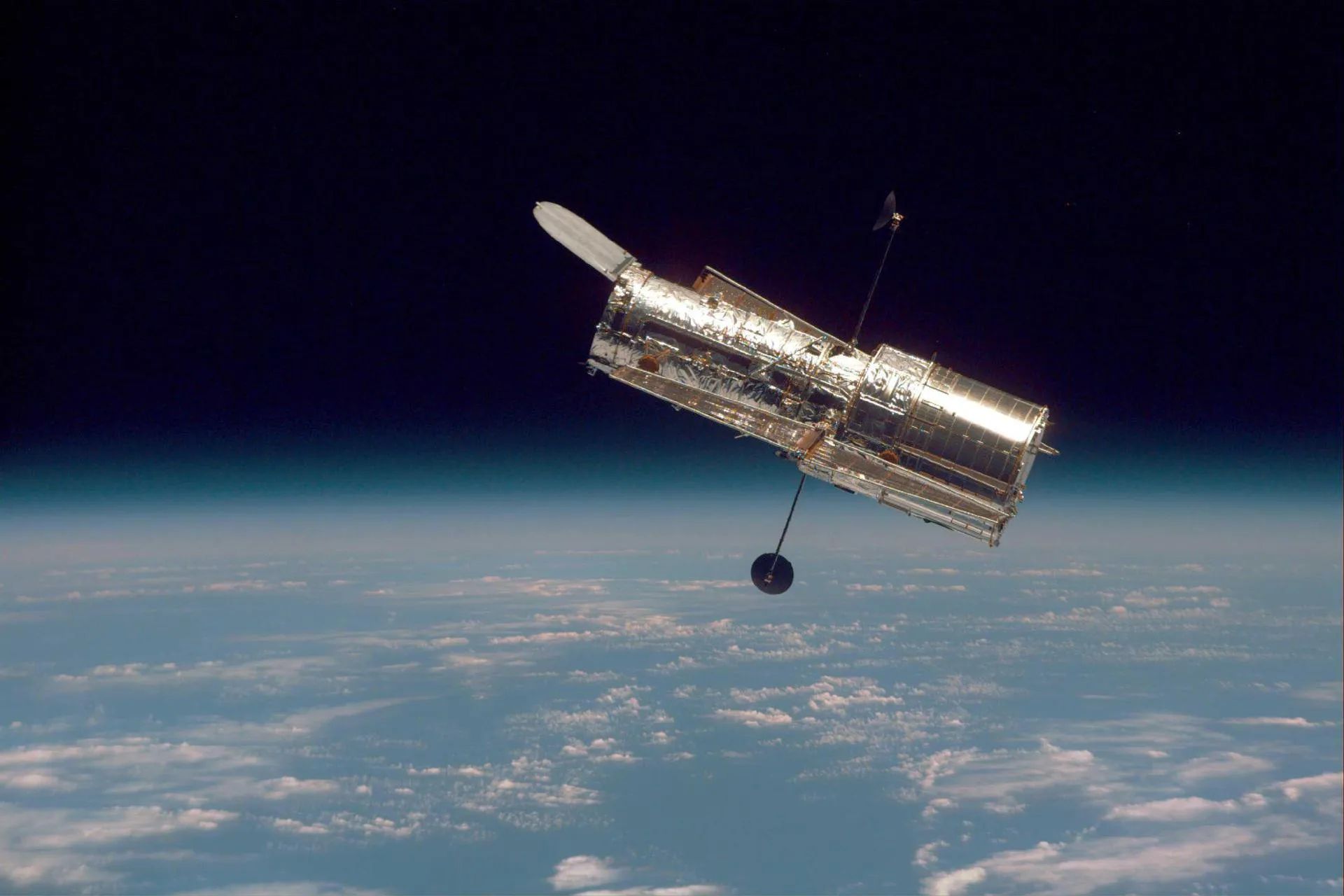
- NASA is actively seeking private-sector solutions to extend the mission lifetime of the iconic Hubble Space Telescope.
- Persistent atmospheric drag continues to lower Hubble's orbital altitude, threatening an eventual fiery reentry.
- Without a successful orbital boost or maintenance mission, the telescope is expected to become permanently non-functional by the mid-2030s.
WASHINGTON — In a bid to preserve one of humanity's most celebrated scientific instruments, space agency officials are looking to the burgeoning commercial aerospace sector to rescue the aging Hubble Space Telescope from an inevitable atmospheric demise.
Operating in low Earth orbit since 1990, the venerable observatory has continually battled the invisible, relentless force of atmospheric drag. Although the spacecraft faces no immediate threat of burning up in the atmosphere, gravitational pull is gradually drawing the telescope closer to the end of its historic operational run, projected to arrive in the early to mid-2030s.
According to industry reports by technology publication The Verge, mission architects are heavily weighing whether private companies possess the technological capability to dock with, reboost, and service the orbital observatory. Previous servicing missions relied exclusively on NASA's now-retired Space Shuttle fleet, meaning a modern rescue effort would require innovative adaptations from contemporary commercial rocket and spacecraft providers.