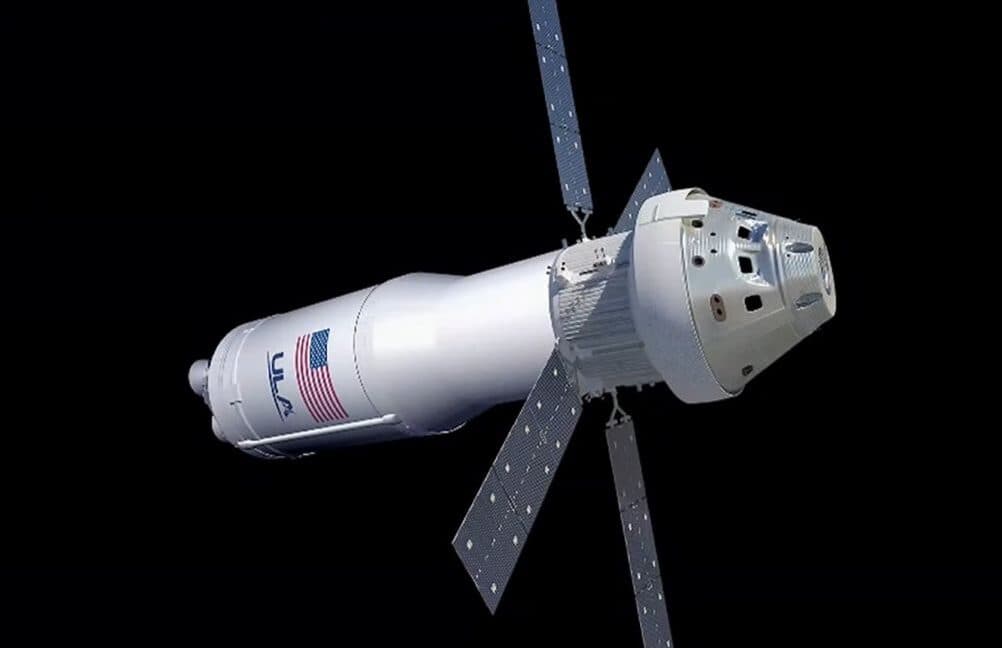
WASHINGTON — In a major strategic pivot for America's return to the lunar surface, space agency executives announced a comprehensive overhaul of their moon-landing architecture while simultaneously eliminating a stubborn engineering bottleneck that has plagued the Orion spacecraft program for years.
The sweeping updates arrive as the organization faces mounting pressure to meet aggressive timelines for sustained human exploration. For years, the Orion capsule program wrestled with complex design constraints and thermal protection challenges, which threatened to cascade delays across the entire crewed flight manifest. By finally putting these technical roadblocks to rest, mission planners can now refocus their efforts entirely on surface operations and descent logistics.
According to detailed reporting by Ars Technica, the newly adopted framework represents a pragmatic shift in how the administration intends to manage human transport from lunar orbit to the South Pole. Underscoring the newfound momentum driving the program, leadership noted in recent briefings, "We have the mandate, we have the resources, and the support from our stakeholders."
Looking ahead, the agency will shift its immediate focus toward integrated flight testing of the newly refined hardware stack. Industry observers anticipate that these resolved technical bottlenecks will pave the way for uncrewed rehearsal milestones later this decade, ultimately determining whether the broader timeline for lunar habitation remains viable.