Voter Backlash Against Data Centers Disrupts 2026 Midterms Across U.S.
Data center developments and their political backers suffered sweeping defeats across local rezoning votes and high-stakes Senate races in the 2026 midterms. The electoral pushback highlights a growing nationwide friction between municipal infrastructure demands and local community resistance.

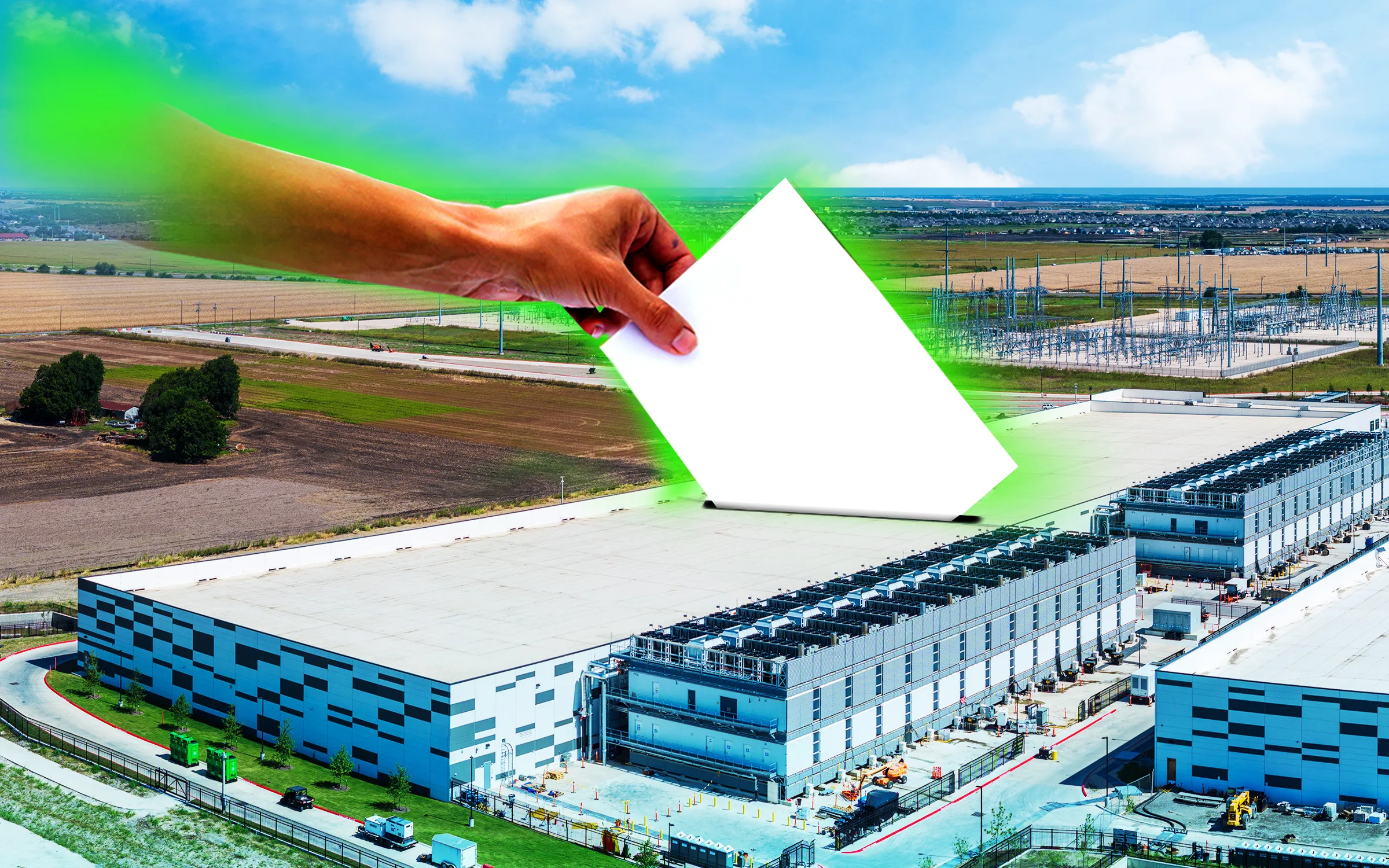
- Data center initiatives and supportive candidates performed exceptionally poorly in the 2026 midterm elections.
- Community opposition focused heavily on the massive energy demands, noise, and environmental strain of digital infrastructure.
- The electoral defeats threaten to delay future facility expansions and force tech firms to rethink community engagement.
Digital infrastructure expansion faced a major political reckoning during the 2026 midterm elections, as voters nationwide decisively rejected data center projects and the candidates backing them in contests ranging from local municipal rezoning initiatives to high-profile Senate races.
This widespread ballot box hostility stems from mounting grassroots frustration over the staggering electricity demands, acoustic pollution, and resource strain associated with massive server farms. For months leading up to the midterms, local activist networks mobilized against proposed developments, transforming what used to be routine zoning board decisions into fierce ideological battlegrounds.
According to investigative reporting by Wired, the electoral outcomes underscore a profound disconnect between corporate technological ambitions and the immediate quality-of-life concerns of local residents. Industry advocates struggled to convince voters that economic promises outweighed the tangible local disruptions tied to rapid server infrastructure proliferation.