Navigating the Micromobility Maze: The Critical Distinctions Between Ebikes and E-Motos
As consumer adoption of alternative urban transit surges, confusion between pedal-assist electric bicycles and throttle-driven electric motorcycles has reached a boiling point among riders and municipal regulators alike. This regulatory gray area poses significant safety challenges and complicates purchasing decisions across the rapidly expanding micromobility market.

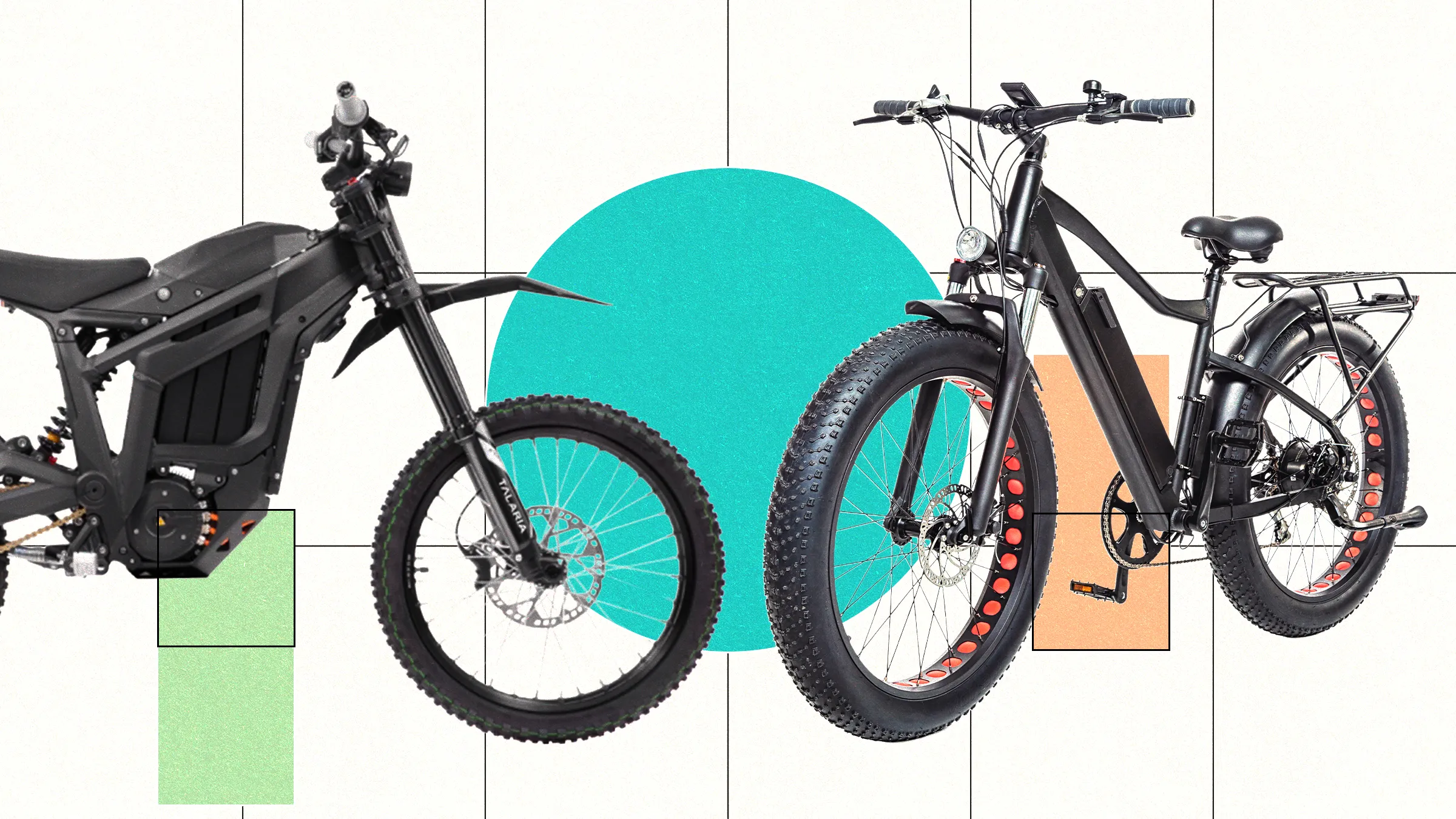
- Blurring regulatory lines between electric bicycles and high-powered motorcycles create widespread enforcement challenges for local authorities.
- Commercial retailers frequently mislabel high-speed electric dirt bikes as standard bicycles to capture a broader consumer base.
- Understanding specific regional classifications and propulsion mechanisms is vital for legal compliance and rider safety.
A profound regulatory and consumer crisis is unfolding across national transit networks as the distinct legal boundaries separating standard electric bicycles from high-powered electric motorcycles continue to dissolve. Lawmakers, municipal traffic enforcers, and daily commuters are struggling to properly categorize these lightweight electric transport options, a confusion frequently exacerbated by commercial retailers intentionally misrepresenting vehicle capabilities to boost sales.
This modern transit dilemma stems from the explosive, largely unregulated growth of the micromobility sector over the past half-decade, which severely caught urban planners off guard. While traditional bicycles feature functional pedals and strictly regulated motor wattage limits, a new wave of heavy, throttle-exclusive electric machines capable of motorcycle speeds have flooded the market, occupying a perilous legal vacuum on public streets and multi-use pedestrian pathways.
According to comprehensive industry analyses published by Wired, consumer advocacy groups and safety experts emphasize that the intentional blurring of these product categories puts both riders and pedestrians at severe risk. Industry insiders note that retail outlets often market aggressive off-road e-motos as casual neighborhood commuters, leaving buyers vulnerable to hefty municipal fines, confiscation, and unexpected insurance liabilities.