Algeria Breaks Half-Century Military Taboo with Historic Deployment to Niger Border
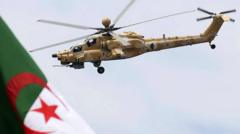
- •Algeria initiates its first foreign military deployment in over fifty years, signaling a major strategic shift in regional defense policy.
- •The dispatched forces are tasked with securing essential energy installations situated in northern Niger close to the volatile Libyan frontier.
- •International observers note this intervention could reshape diplomatic and security dynamics across the wider Sahel corridor.
Algiers has greenlit a historic overseas military deployment to northern Niger, dispatching national armed forces to secure critical energy infrastructure situated near the shared Libyan border. This strategic maneuver represents a profound departure from the North African republic's long-standing doctrine of strict non-intervention beyond its sovereign boundaries, abruptly ending a policy framework that has endured for more than fifty years.
The unprecedented mission is designed to fortify vital industrial assets and utility networks in a notoriously lawless expanse that has experienced intensifying security vacuums. Historically, Algiers maintained a rigid stance against deploying combat units into neighboring territories, preferring diplomatic mediation and internal border defense. However, escalating transnational militant threats and the proliferation of illicit trafficking networks along the porous southern perimeter have compelled national security planners to adopt a more assertive, forward-leaning posture.
According to reports by BBC World, international analysts and regional observers are closely monitoring the operation to gauge how neighboring governments and multilateral bodies will respond to Algiers flexing its security muscle. While official state communiqués from Algiers emphasize the defensive and protective nature of the deployment, diplomatic circles are already assessing the broader implications for regional stability in the fractured Sahel region.
Looking ahead, defense experts anticipate that the success of this mission could pave the way for a broader doctrine of cooperative regional security or, conversely, heighten geopolitical tensions if local factions perceive the foreign presence as an overreach. As these specialized units take up strategic positions in the coming days, the international community will be watching to see how this operational shift alters the balance of power along the Nigerien frontier.