Somalia's Highest Court Strikes Down Presidential Mandate Extension in Deepening Political Turmoil
Somalia's Supreme Court has invalidated the administration's controversial bid to prolong the head of state's tenure, intensifying an ongoing governance crisis. This judicial intervention has cast severe uncertainty over the nation's scheduled preparations for universal suffrage.

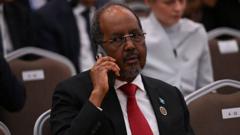
- Somalia's apex court formally dismissed the executive order seeking to stretch the current presidential mandate.
- The ruling directly threatens the timeline for the nation's inaugural universal-suffrage ballot originally slated for next year.
- The decision escalates institutional tensions within Mogadishu as political factions clash over governance and electoral legitimacy.
MOGADISHU — Somalia's supreme judicial authority on Tuesday formally struck down a contentious executive initiative designed to lengthen the incumbent president's term in office, delivering a major blow to the current administration and plunging the East African nation deeper into a constitutional standoff.
This high-stakes legal ruling arrives at a precarious juncture for the federal government, which has been grappling with intense opposition from regional leaders and rival politicians. The controversy centers on the fragile governance framework of a nation striving to cement democratic institutions while simultaneously battling persistent security threats from militant insurgencies.
According to reports by BBC World, the court's intervention underscores a fractured political landscape where executive overreach and legislative disputes routinely paralyze state functions. Opposition figures and civil society groups have repeatedly cautioned that altering established electoral timelines risks triggering widespread instability and fracturing the fragile coalition holding the federal apparatus together.