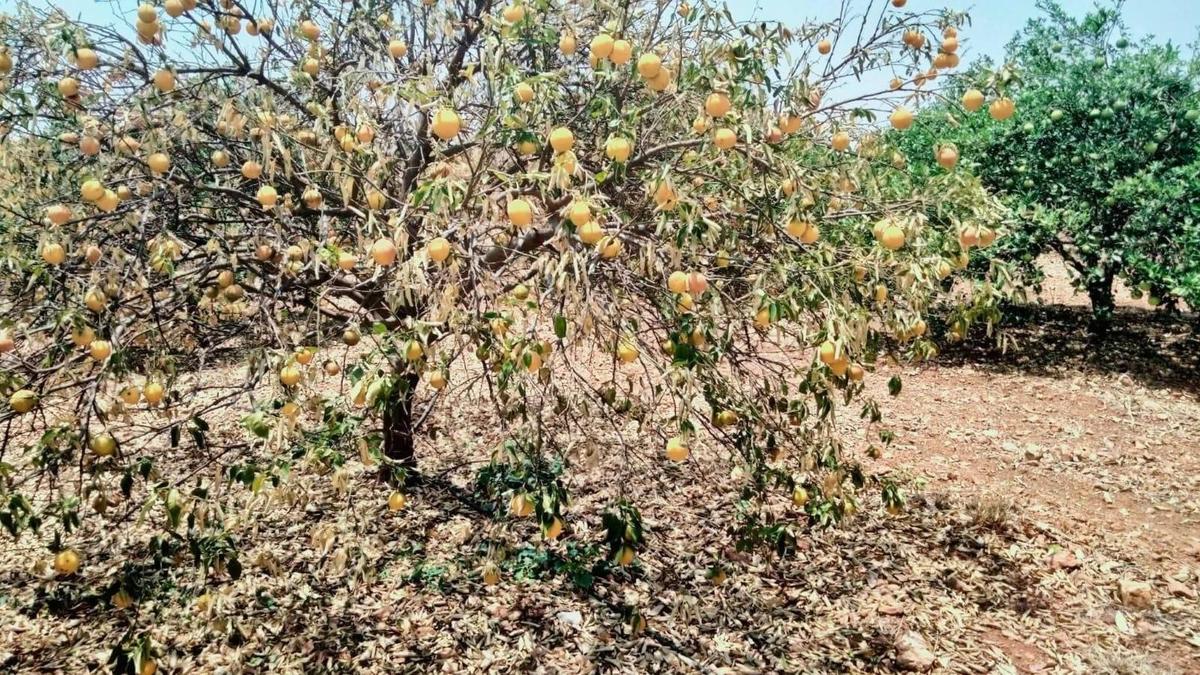
NEW DELHI — Sweet lime cultivators across the Rayalaseema region are confronting an escalating agrarian crisis as severe moisture deficits and rapidly depleting subterranean aquifers threaten to devastate local orchards. The ongoing drought conditions have severely restricted irrigation access across multiple mandals, leaving expansive groves parched and threatening total harvest failures for the current agricultural cycle.
This unfolding emergency is rooted in consecutive seasons of below-average monsoon precipitation, which failed to adequately recharge regional water reservoirs. As subterranean water tables recede to historic lows, local farming communities have found themselves entirely unequipped to sustain their water-intensive citrus crops, compounding years of economic volatility and mounting production expenses.
According to agricultural assessments highlighted by regional reports, the crisis has trapped growers in a vicious cycle of rising debt as they desperately attempt to purchase water trucks to save their wilting trees. Local farming unions note that institutional support has failed to keep pace with the rapid degradation of environmental conditions, leaving countless families without a viable safety net or alternative income sources.
Looking ahead, industry analysts warn that the prolonged destruction of Rayalaseema's sweet lime sector could permanently alter the regional agricultural landscape and drive retail prices upward nationwide. Unless emergency relief packages and sustainable watershed management strategies are swiftly implemented by state authorities, the long-term viability of citrus farming in this arid zone remains gravely imperiled.