Kerala High Court Examines Legality of Barring Women From Working in State Toddy Shops
The Kerala High Court is currently reviewing a landmark legal challenge regarding whether employers can lawfully refuse to hire women in traditional toddy shops under the guise of occupational safety. This case forces a critical examination of state-sanctioned employment restrictions versus constitutional gender equality.

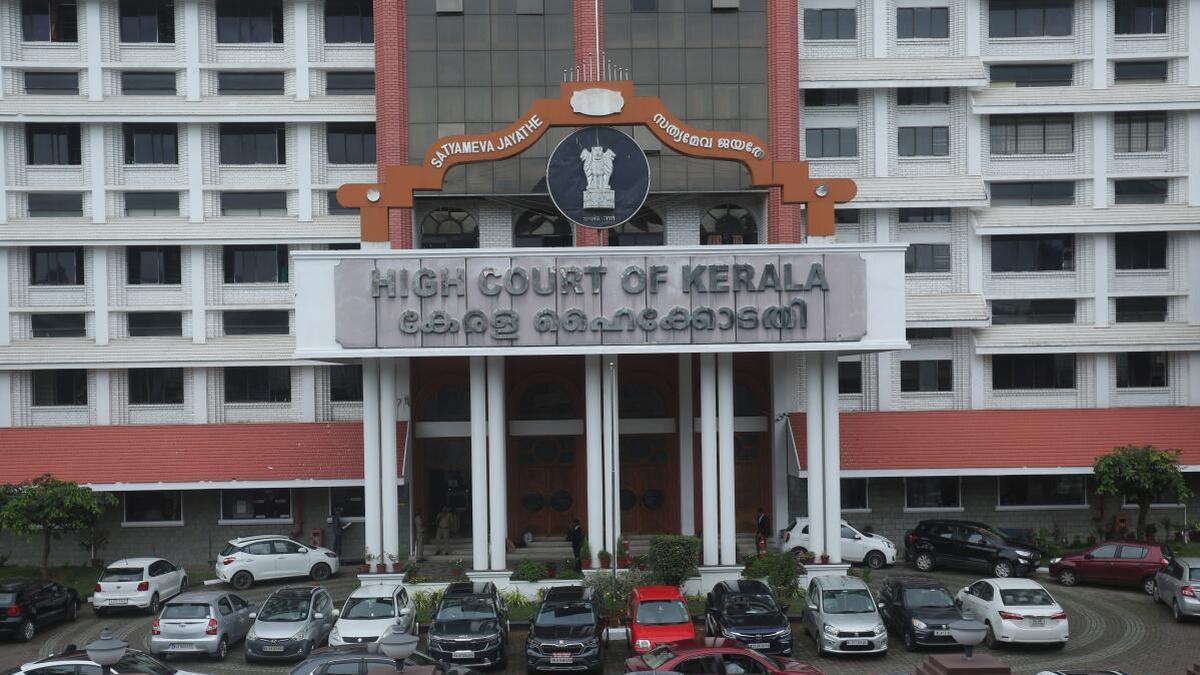
- The Kerala High Court is weighing whether workplace safety concerns can legally justify excluding women from specific commercial sectors.
- The legal challenge questions the constitutional validity of state restrictions historically designed to protect female workers from potential harassment.
- The final ruling is expected to set a profound precedent for gender inclusivity and labor rights across traditional industries in India.
The Kerala High Court has initiated proceedings to determine whether commercial establishments can legally bar female workers from employment in local toddy shops under the pretext of workplace safety. This pivotal legal scrutiny addresses fundamental questions regarding corporate hiring practices and gender-based job exclusions within the southern Indian state.
Historically, various commercial sectors in the region have maintained tacit or explicit barriers against female labor, often rationalized by management as protective measures against potential harassment in male-dominated environments. However, contemporary legal interpretations increasingly challenge these paternalistic policies, arguing that denying livelihood opportunities under the banner of protection infringes upon constitutional guarantees of equality and right to work.
According to reports by The Hindu, legal analysts and civil rights advocates emphasize that state-backed limitations on women's employment must be rigorously tested against modern anti-discrimination statutes. Representatives from labor unions and gender equality organizations have voiced strong opposition to antiquated exclusions, asserting that the state's primary obligation is to ensure safe working conditions rather than preemptively closing off entire industries to women.