Election Commission Shielding SIR Software Details Under Intellectual Property Laws Sparks Transparency Concerns
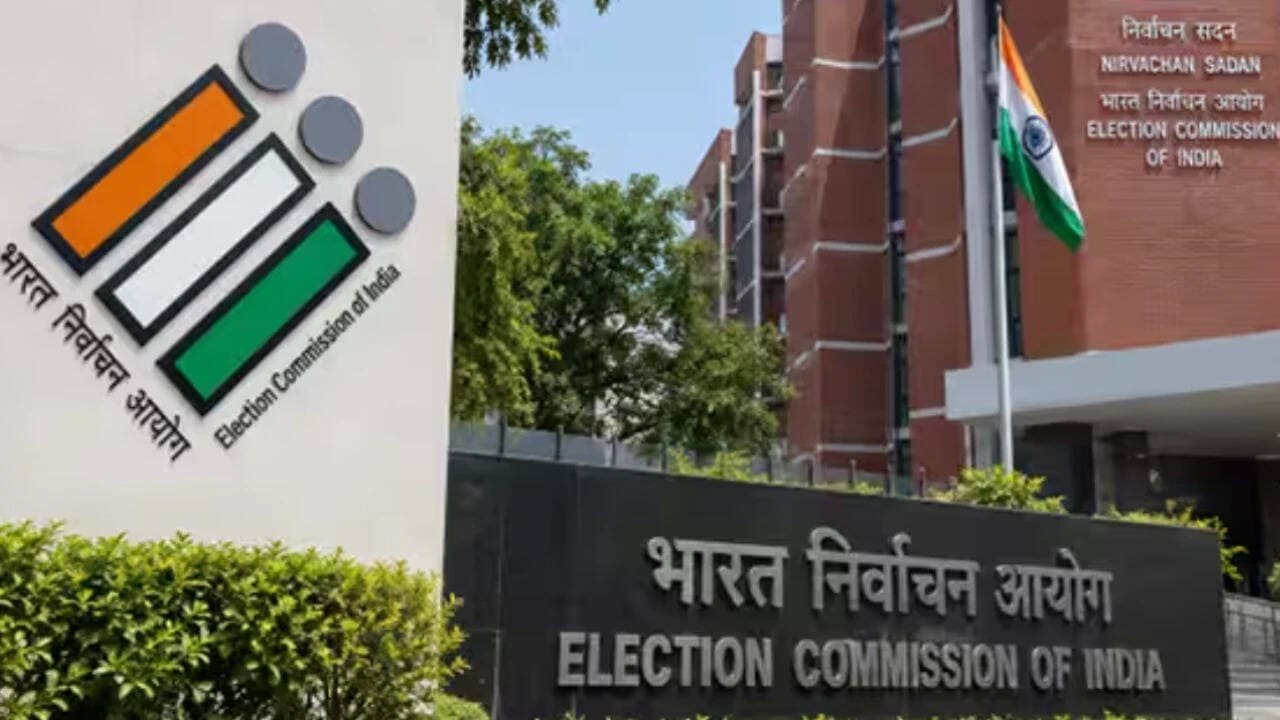
- •The Election Commission withheld specific technical data on the SIR software by citing commercial trade secrets and intellectual property protections.
- •According to Times of India reporting, the refusal highlights growing tensions between proprietary technology use in governance and public transparency demands.
- •Experts warn that opaque electoral tools could face increased legal and public scrutiny regarding their operational integrity.
The Election Commission of India has officially declined to release comprehensive technical data concerning its proprietary SIR software, pointing to legal safeguards surrounding trade secrets and intellectual property rights. This decision prevents external technical audits and public access to the foundational mechanics powering the software, marking a significant moment in how election authorities manage digital infrastructure.
In recent years, electoral bodies worldwide have increasingly integrated specialized digital tools to streamline administrative operations and voting processes. However, the reliance on proprietary third-party software often creates friction with democratic transparency mandates, as citizens and watchdogs demand open-book verification for systems that influence foundational governance functions.
According to reports by the Times of India, the refusal underscores a recurring institutional challenge where commercial confidentiality rights clash with the public's right to information. Critics and transparency activists argue that withholding such details prevents independent verification, potentially undermining public confidence in the technological frameworks supporting election management.
As the national debate over digital transparency intensifies, civil rights organizations and legal experts anticipate further challenges demanding legislative clarity on proprietary technology use by public institutions. The unfolding situation will likely set a crucial precedent for how state agencies balance commercial vendor agreements against constitutional accountability moving forward.