Justice Kaul Critiques Former CJI Chandrachud's Approach to Executive Relations
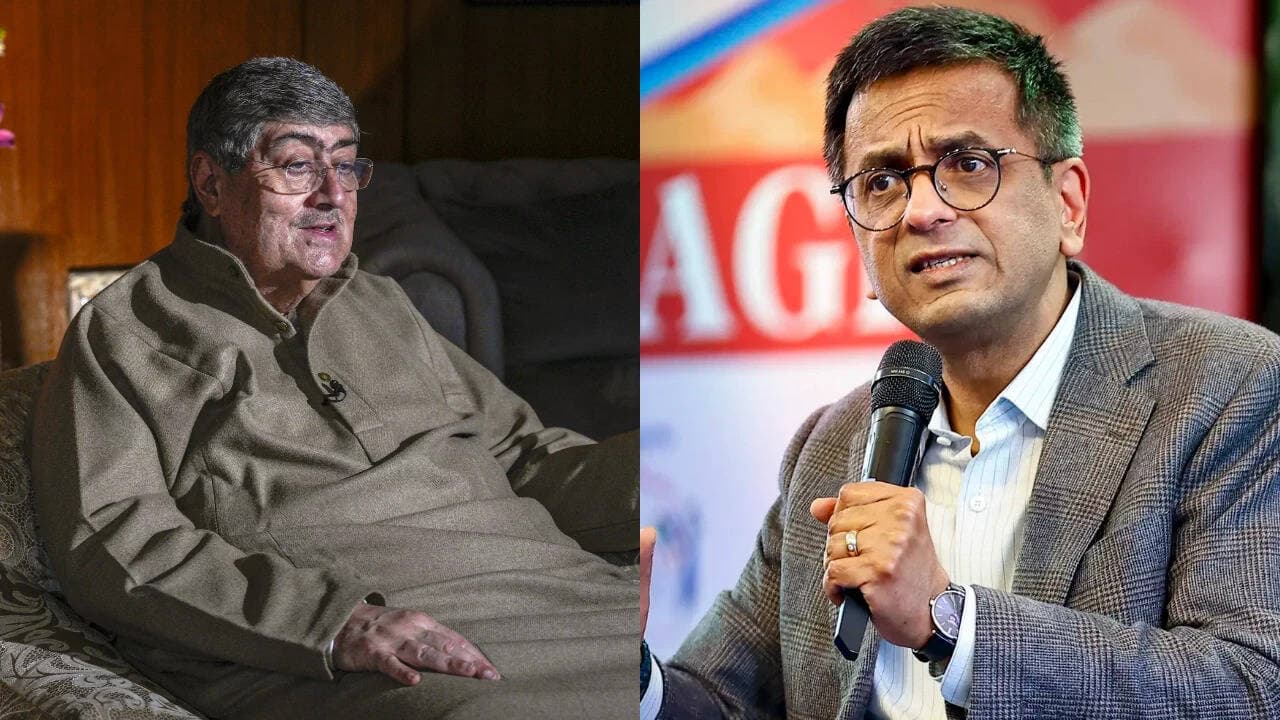
- •Justice Sanjay Kaul asserts that former CJI D.Y. Chandrachud exhibited unnecessary compliance toward government authorities during his tenure.
- •The critique highlights ongoing debates concerning judicial independence and the separation of powers within India's constitutional framework.
- •According to Times of India reporting, these reflections from a former peer offer rare insight into internal judicial dynamics at the apex court.
NEW DELHI — In a candid assessment of the Indian judiciary's recent leadership, retired Supreme Court Justice Sanjay Kaul remarked that former Chief Justice D.Y. Chandrachud maintained an attitude of deference toward the executive branch that exceeded what was strictly necessary. The commentary brings to light long-standing discussions surrounding the intricate power dynamics between the nation's highest court and the governing administration.
The observation touches upon a critical era in the Supreme Court's history, during which several high-stakes cases involving executive authority and legislative actions were adjudicated. Observers of India's legal landscape have frequently debated how the apex court navigates political pressures, making evaluations from retired jurists particularly significant for understanding the institutional pressures faced by sitting judges.
According to reports published by the Times of India, Justice Kaul's perspective underscores a broader philosophical divide within the legal fraternity regarding how aggressively the judiciary should check executive power. While supporters of the former CJI often point to his administrative reforms and efforts to modernize court proceedings, critics and peers alike continue to scrutinize the substantive outcomes of politically sensitive rulings delivered under his watch.
As these remarks circulate through legal and political circles, they are expected to fuel ongoing seminars, academic research, and public discourse regarding judicial independence. The dialogue prompted by Justice Kaul's assessment may ultimately influence how future leadership at the Supreme Court approaches its constitutional mandate as a check on governmental authority.