Supreme Court Rules Minor Typographical Errors Should Not Attract Harsh Judicial Strictures
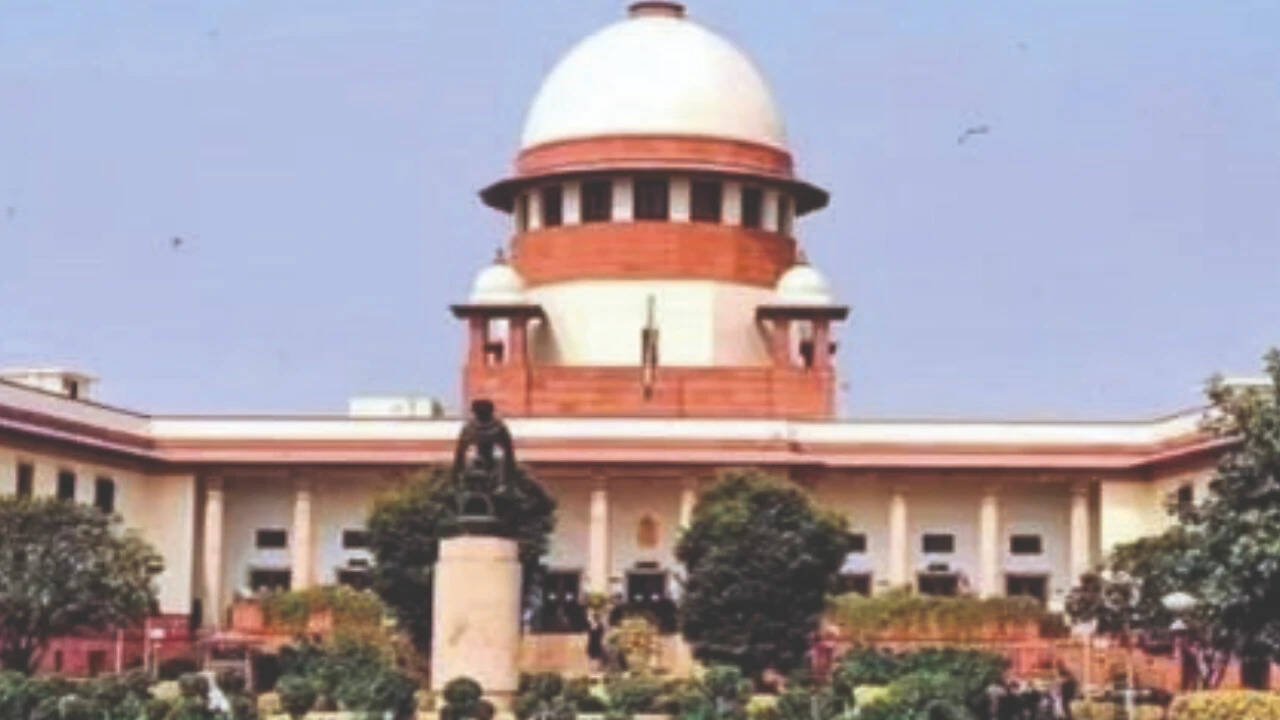
The Supreme Court of India has ruled that trial and appellate judges should not face severe judicial criticism or strictures merely for accidental typos within their official rulings. The landmark decision aims to protect judicial morale while emphasizing that drafting oversights do not inherently compromise the integrity of justice.

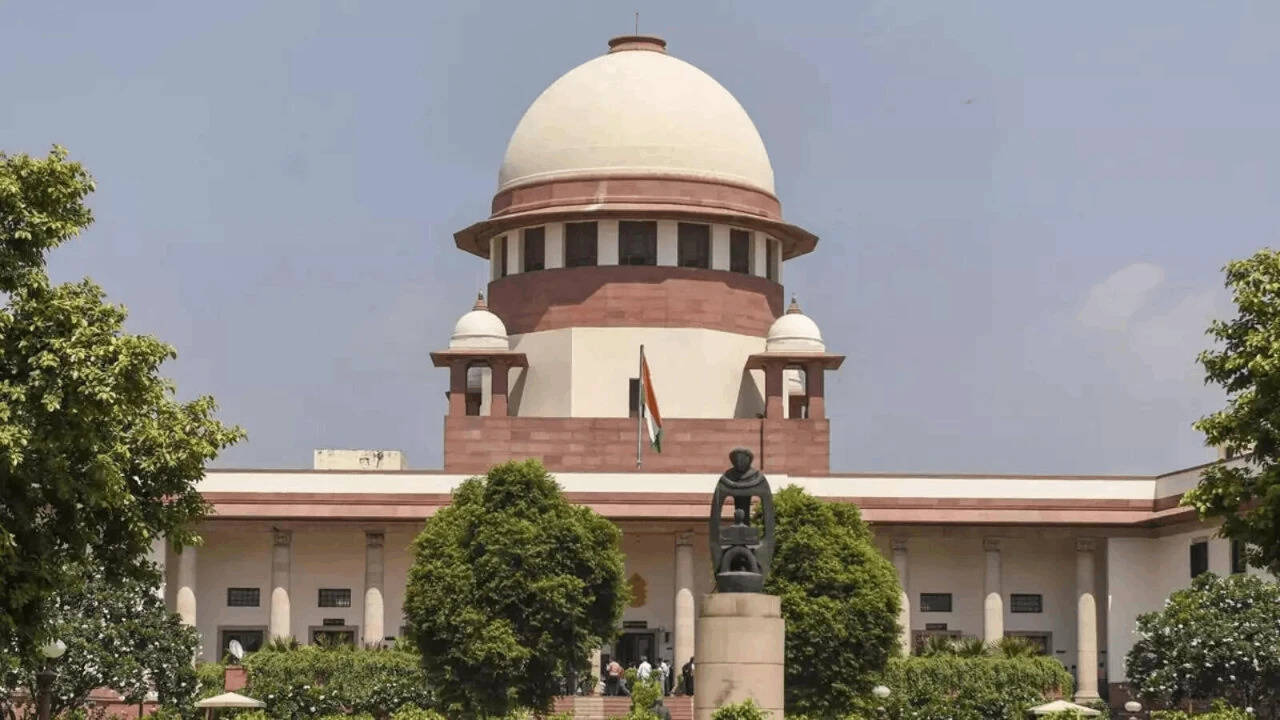
- The Supreme Court declared that minor spelling or typographical errors in judicial orders must not result in punitive strictures against judges.
- The ruling addresses mounting concerns over judicial overreach regarding the wording of official court documents.
- Legal experts note the decision will provide much-needed protection and administrative reassurance to the subordinate judiciary.
NEW DELHI — In a significant ruling aimed at protecting the morale of the subordinate judiciary, the Supreme Court of India has held that judges should not face harsh strictures or disciplinary repercussions merely for accidental typographical errors in their judgments.
This crucial clarification addresses a growing trend wherein minor clerical oversights, spelling mistakes, or grammatical slips in official court documents were aggressively scrutinized, occasionally leading to unwarranted adverse remarks against the drafting judge. Legal analysts point out that while precision is paramount in jurisprudence, the immense workload borne by trial and appellate courts naturally leaves room for inadvertent human error.
According to reports by the Times of India, the apex court emphasized that judicial evaluations must focus on the substantive reasoning and delivery of justice rather than penalizing judges for mechanical drafting flaws. Senior jurists have largely welcomed the perspective, noting that undue severity over superficial text issues unnecessarily demoralizes judicial officers.