Karnataka Launches Inaugural Rajyotsava Bird Count to Bolster Avian Conservation
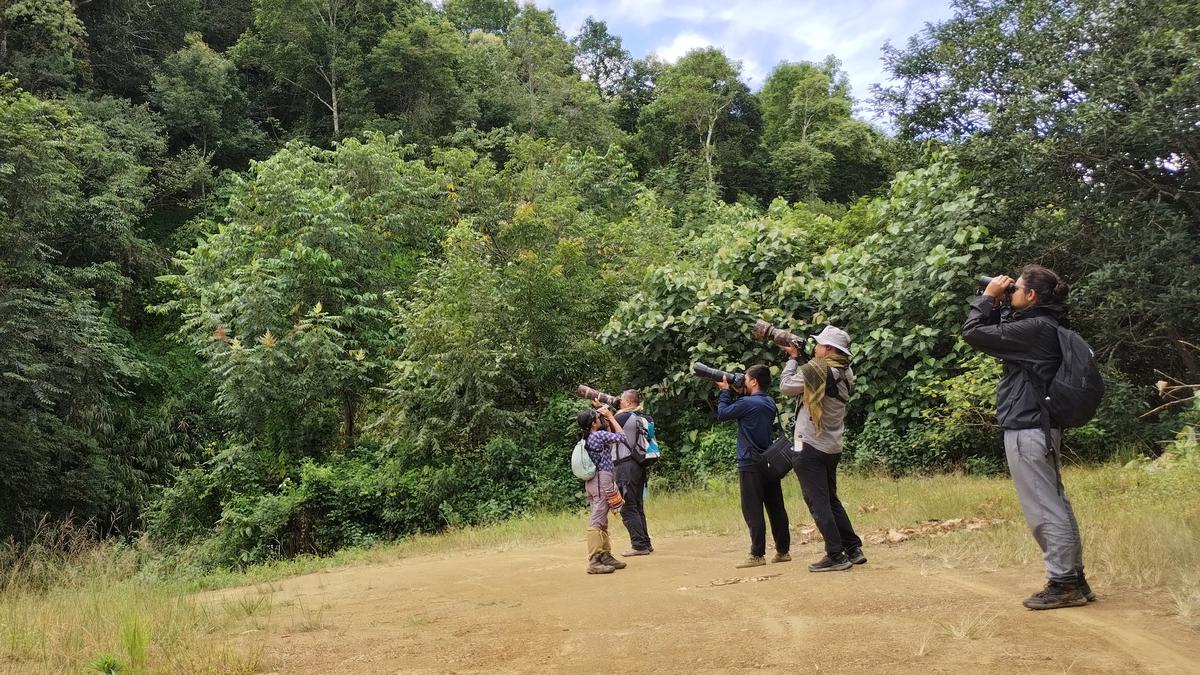
- •The inaugural Rajyotsava Bird Count runs from October 30 through November 2 across Karnataka.
- •The joint initiative by the state Forest Department and Bird Count India welcomes participation from the general public.
- •Citizen science data collected during the event will significantly enhance regional biodiversity monitoring and conservation strategies.
In a concerted effort to boost regional biodiversity monitoring, the Karnataka Forest Department has officially teamed up with Bird Count India to launch the state's inaugural Rajyotsava Bird Count, scheduled to take place from October 30 to November 2. The four-day statewide event is open to individuals of all skill levels, encouraging nature lovers, amateur ornithologists, and the general public to step outdoors and document the diverse avian species inhabiting their local surroundings.
This newly established citizen science initiative arrives at a crucial time for local environmental preservation, aligning with the state's annual formation day celebrations to foster a deeper connection between citizens and local wildlife. By engaging community members directly in ecological documentation, conservationists aim to fill critical data gaps regarding migratory patterns and localized bird distribution across various habitats in Karnataka.
According to reports by The Hindu, organizing bodies emphasize that widespread public involvement is vital for tracking environmental shifts and assessing the health of regional ecosystems. Officials note that even novice observers can make meaningful contributions to the database, provided they record their sightings accurately through designated participatory platforms during the four-day window.
Looking ahead, organizers hope the success of this maiden event will pave the way for recurring collaborative surveys, ultimately strengthening long-term wildlife management policies in the region. As participation numbers are anticipated to climb, the findings gathered from this census are expected to serve as a benchmark for future ecological studies and habitat protection measures throughout the state.