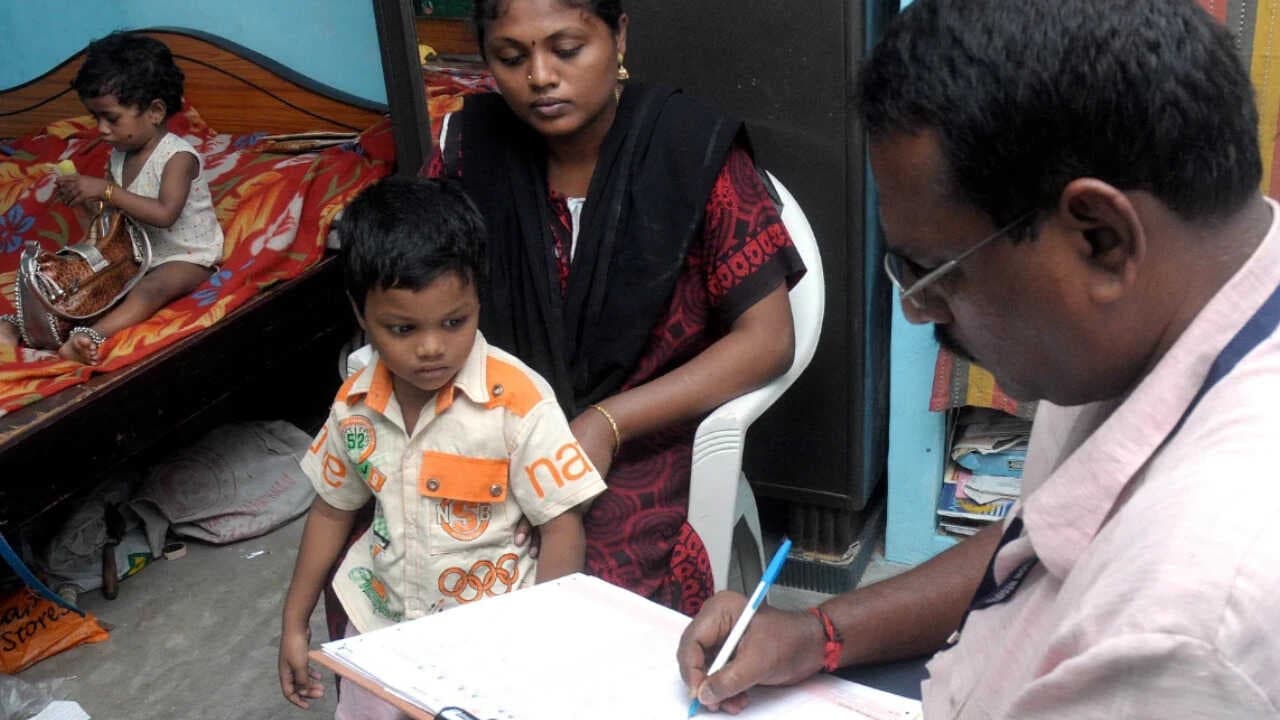
NEW DELHI — A key parliamentary panel has formally recommended the implementation of regular intercensal surveys and the adoption of progressive, gender-inclusive criteria for designating census towns nationwide. The proposed legislative measures are structured to overhaul India's traditional demographic data collection framework, ensuring that urban planning and welfare delivery keep pace with rapid societal shifts.
Historically, demographic metrics in the country have relied heavily on the comprehensive decennial census, a process that has experienced significant logistical delays in recent years. Experts note that long intervals between official data releases often leave policymakers navigating blind spots regarding population mobility, economic migration, and shifting urban boundaries, making interim surveys an urgent administrative necessity.
According to reports by Times of India, lawmakers emphasized that updating urban classification norms to be explicitly gender-inclusive will capture a more accurate picture of female labor force participation and migration patterns. Stakeholders and policy analysts have welcomed the panel's observations, noting that modernizing these indicators is vital for addressing urban inequality and designing targeted social interventions.
The recommendations are now expected to be reviewed by the relevant ministries to determine implementation pathways ahead of upcoming national administrative cycles. If adopted, these policy shifts could fundamentally transform how regional development funds and municipal resources are allocated across emerging urban settlements.