Supreme Court Rules Fundamental Right to Protest Does Not Permit Indefinite Public Land Blockades
India's apex court has delivered a definitive legal stance establishing that the constitutional freedom of assembly cannot override public convenience or justify prolonged blockades of thoroughfares. The landmark ruling aims to balance citizen advocacy rights with the maintenance of public order and free movement.

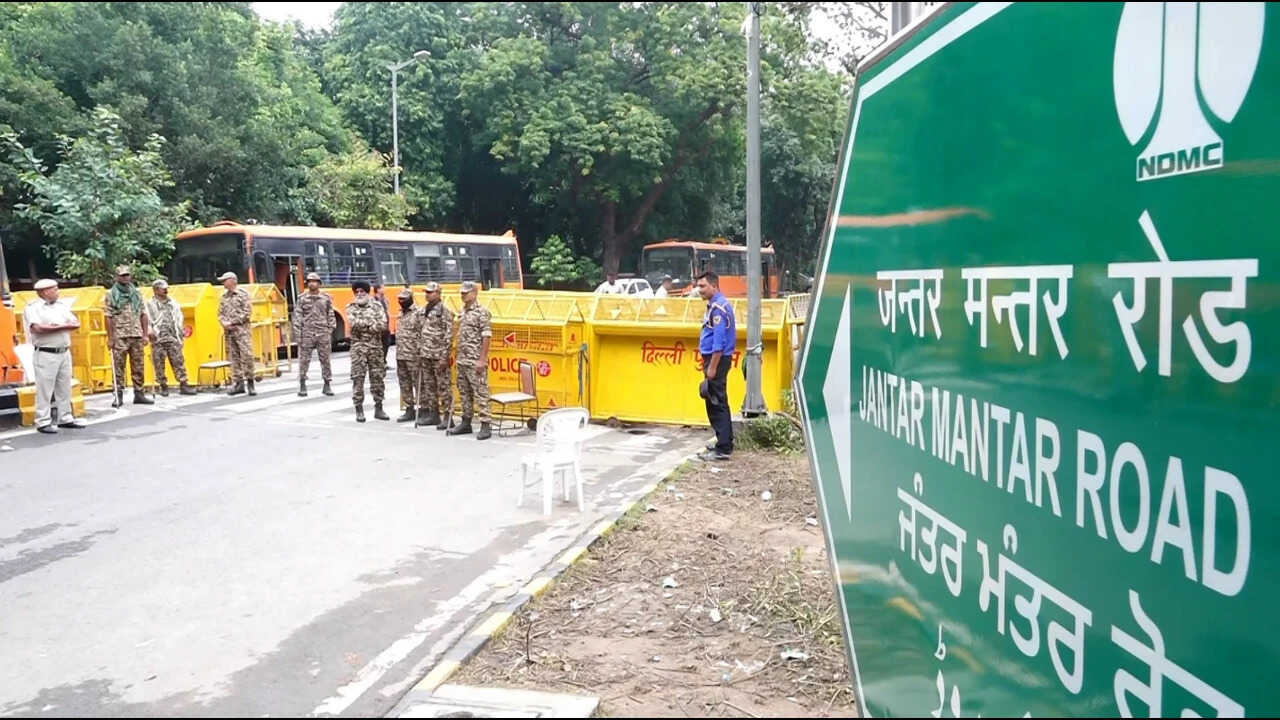
- The Supreme Court ruled that indefinite occupation of public spaces during demonstrations is unlawful.
- The judiciary emphasized that the freedom to protest must be balanced against the general public's right to unimpeded access.
- According to reports by the Times of India, the ruling sets a crucial legal precedent for handling contentious public demonstrations across the nation.
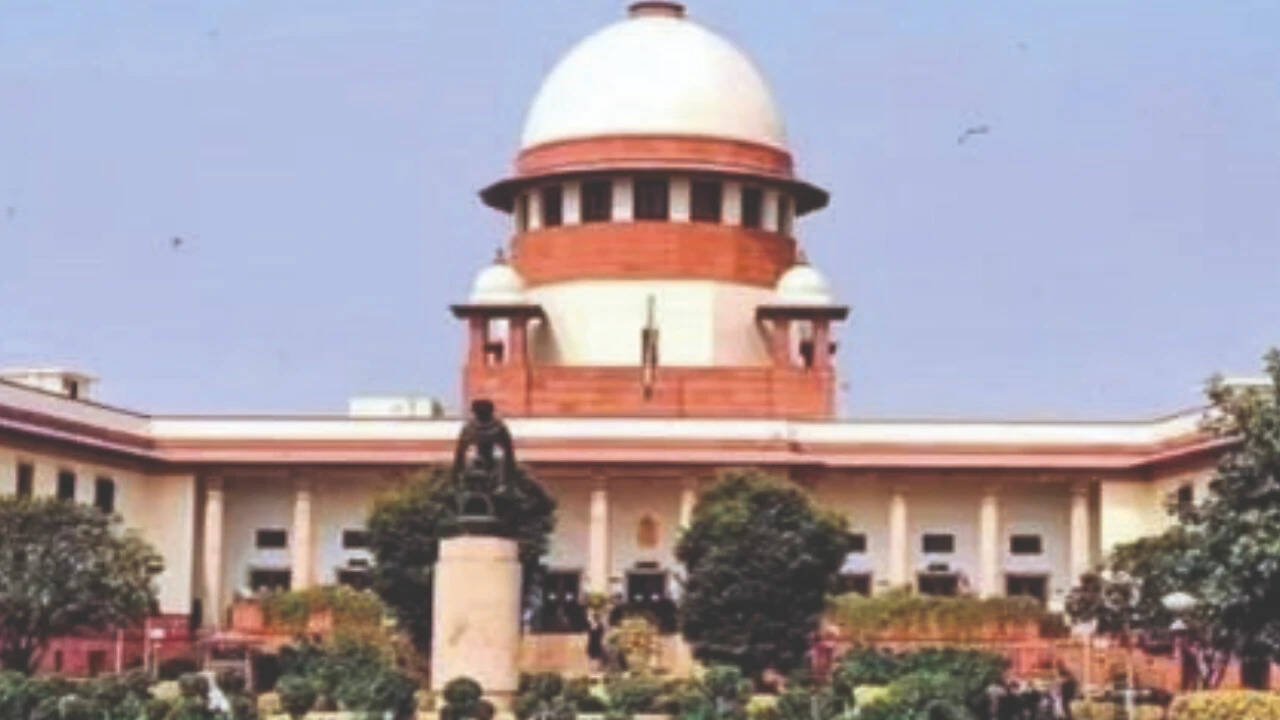
NEW DELHI — In a decisive legal ruling, the Supreme Court of India declared that the fundamental right to peaceful assembly and demonstration cannot be leveraged to justify the indefinite occupation of public sites and thoroughfares. The high-stakes judicial observation directly addresses the friction between civic advocacy and public disruption, setting a strict boundary on how long demonstrators can legally commandeer shared municipal spaces.
This judicial intervention arrives against the backdrop of numerous prolonged agitations in recent years, which have frequently paralyzed critical infrastructure, disrupted daily commerce, and inconvenienced millions of commuters nationwide. Historically, the legal framework governing protests in India has grappled with the delicate balance of protecting democratic dissent while ensuring state mechanisms maintain public order and essential services without infringing on constitutional freedoms.
According to reports by the Times of India, the bench underscored that public property and thoroughfares are dedicated to common use and cannot be permanently monopolized by any single interest group, regardless of the merit of their grievances. Legal analysts note that this perspective reinforces prior judicial warnings that demonstrations must remain reasonable in duration and location to retain constitutional protection.