US Midterm Aftermath Shifts Strategic Space for New Delhi in Global Affairs
Recent electoral setbacks for the Republican Party in the United States are projected to significantly impact New Delhi's foreign policy flexibility. The shifting domestic American political landscape introduces new variables for bilateral commerce, energy procurement, and broader geopolitical maneuvering.

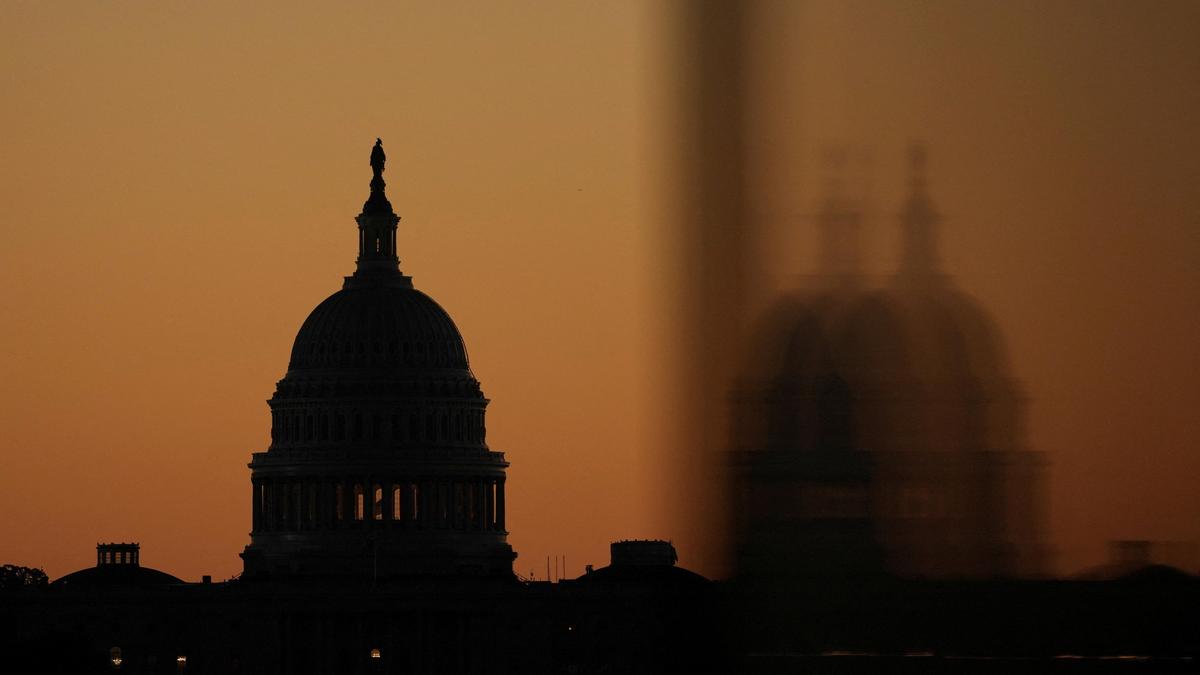
- US midterm losses for Republicans directly influence New Delhi's diplomatic and strategic autonomy.
- Shifting domestic American priorities threaten to complicate existing stances on Russian oil imports and the Iran conflict.
- Bilateral trade discussions and immigration policies face potential renegotiations amid Washington's evolving power dynamics.
NEW DELHI — As the United States navigates the aftermath of pivotal legislative elections, foreign policy analysts indicate that the primary fallout for South Asia will manifest not in formal bilateral diplomacy, but in India's expanding or contracting strategic agility on the global stage. With Republican forces under Donald Trump confronting substantial legislative setbacks, the resulting shift in Washington's domestic balance of power creates a complex web of challenges and opportunities for Indian policymakers.
Historically, the rhythm of Washington's legislative cycles has exerted profound gravitational pull on foreign capitals, yet the current political realignment directly intersects with sensitive diplomatic balancing acts. New Delhi has carefully maintained a multi-alignment strategy, particularly concerning energy security through Russian oil imports and nuanced diplomatic positions regarding the ongoing conflict involving Iran. Any domestic policy recalibration inside the United States Congress following these midterms could constrain or liberate how Indian leadership engages with these contentious global flashpoints.