Decoding the El Niño Myth: Why Severe Warming Does Not Seal India's Monsoon Fate
Analyses of historical weather patterns reveal that a powerful El Niño does not automatically spell disaster for India's seasonal rains. Experts emphasize that multiple atmospheric variables influence monsoon outcomes, challenging long-held deterministic views.

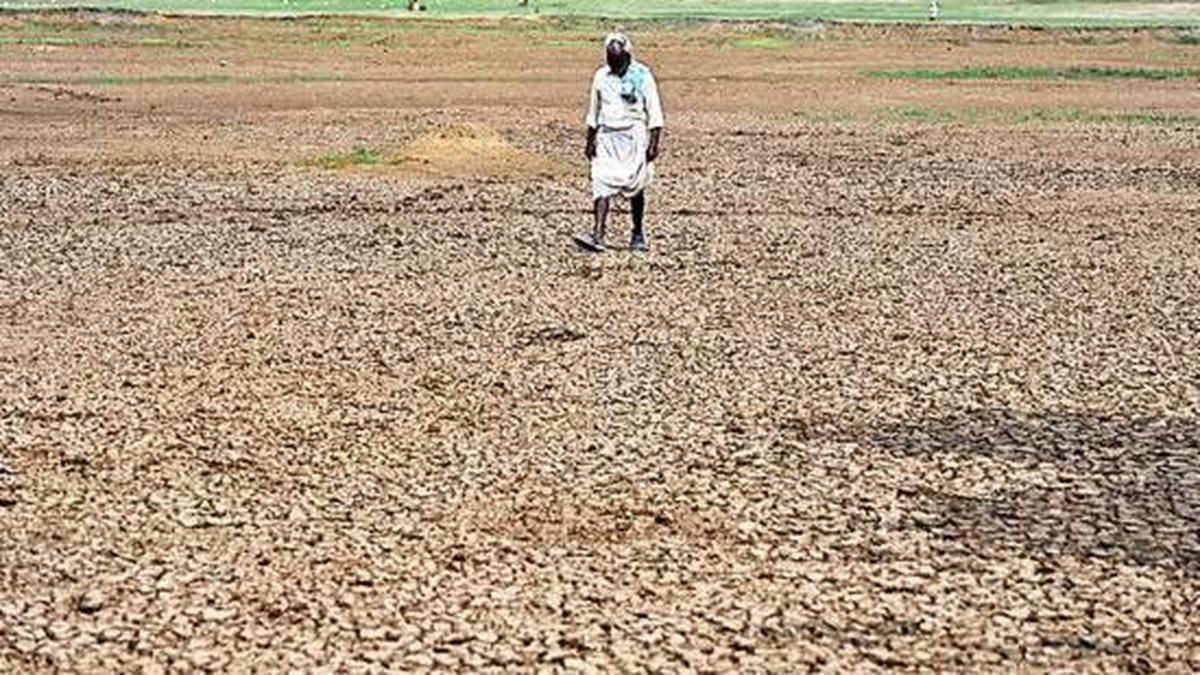
- Only seven monsoons since 1950 have coincided with moderate to strong El Niño conditions.
- Out of those specific years, five experienced deficient rainfall dropping at least 10 percent below the long-term average.
- Meteorological experts stress that complex global ocean-atmosphere dynamics prevent a blanket generalization of drought outcomes.
NEW DELHI — Meteorological data reveals that even a robust El Niño event fails to serve as an absolute guarantee for a severely diminished Indian monsoon season, challenging conventional forecasting assumptions. Weather patterns evaluated by national agencies indicate that atmospheric interactions governing the subcontinent's annual rainfall are far more intricate than a single oceanic temperature anomaly.
Historically, weather archives show that dating back to 1950, only a select group of seven monsoon cycles have collided with moderate-to-severe El Niño phases. Among those instances, five specific years—including projections for 2026—registered precipitation totals plunging a minimum of 10 percent beneath the established long-term average, a threshold officially classified by the India Meteorological Department as deficient.
According to specialized agricultural and climate assessments highlighted by The Hindu, relying strictly on Pacific Ocean warming indicators ignores vital counterbalancing mechanisms. Climatologists point out that localized pressure gradients, Indian Ocean dipole behaviors, and cross-equatorial winds frequently intervene to rescue or suppress seasonal downpours independently of equatorial Pacific phenomena.