Owaisi Slams Electoral Roll Exercise in Delhi, Highlights Historic Qadeemi Masjid
All India Majlis-e-Ittehadul Muslimeen chief Asaduddin Owaisi has strongly criticized the recent Special Intensive Revision of electoral rolls in the national capital. He argued that the rigorous administrative process caused severe hardship to citizens without yielding any evidence of undocumented migrants.

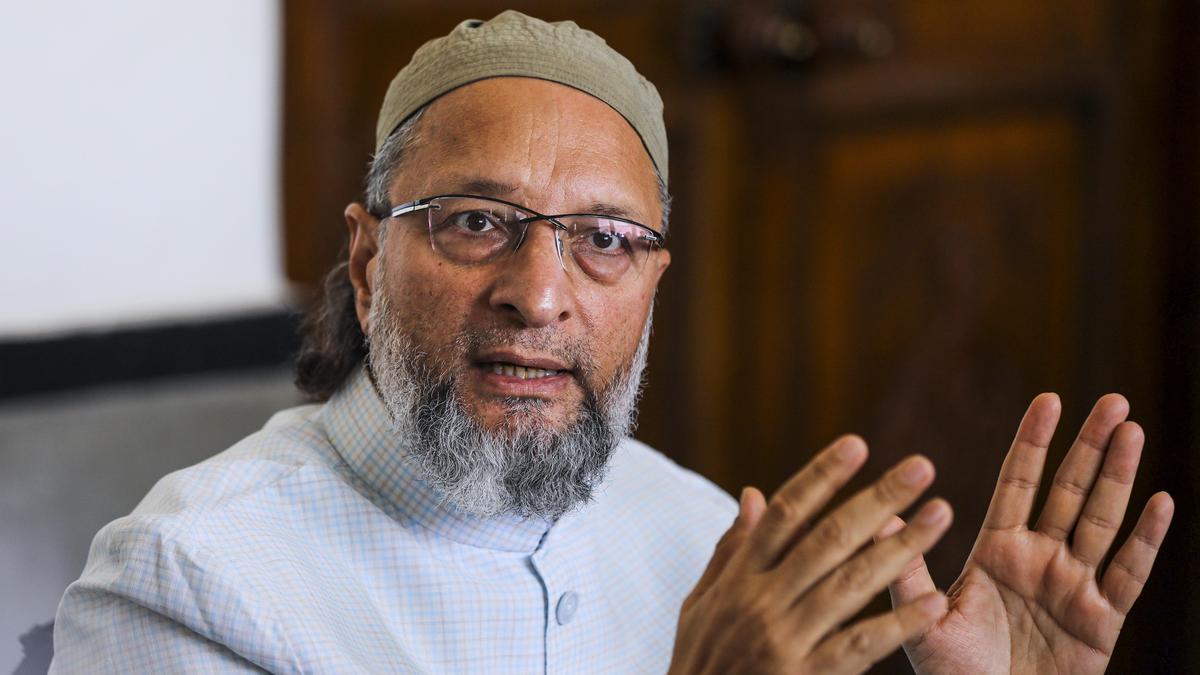
- Owaisi stated that the draft voter lists failed to uncover any illegal immigrants, rendering the entire administrative exercise futile.
- The AIMIM leader emphasized the deep historical significance of the Qadeemi Masjid, noting its existence prior to Delhi's establishment as the capital.
- Criticism centers on the disproportionate burden placed on local residents during the intensive verification procedures.
NEW DELHI — All India Majlis-e-Ittehadul Muslimeen (AIMIM) President Asaduddin Owaisi launched a scathing critique against the recent voter roll verification procedures in the national capital, pointing out that the extensive administrative undertaking failed to detect a single undocumented immigrant while causing widespread distress among ordinary citizens.
The contentious voter list revision has been a subject of intense political debate regarding administrative overreach and the targeting of specific communities under the guise of security and electoral integrity. Critics have frequently argued that such exhaustive verification drives create unnecessary panic and bureaucratic hurdles for marginalized populations, disproportionately affecting genuine citizens who struggle to produce legacy documentation.
According to reports published by The Hindu, Owaisi also drew attention to the rich heritage of the region, specifically underscoring that the historic Qadeemi Masjid stood firmly on the land long before Delhi was designated as the nation's capital. His remarks serve to defend local heritage sites against administrative encroachment and urban erasure amidst shifting political landscapes.