technology
By Wire Chronicle Bureau•Wednesday, October 28, 2026 at 05:26 PM1 min readVerified Wire Report
Apple Breaks Decade-Long Taboo With Debut of Touchscreen MacBook Pro
Wire Chronicle Editorial Visuals & Archive Independent Wire Coverage
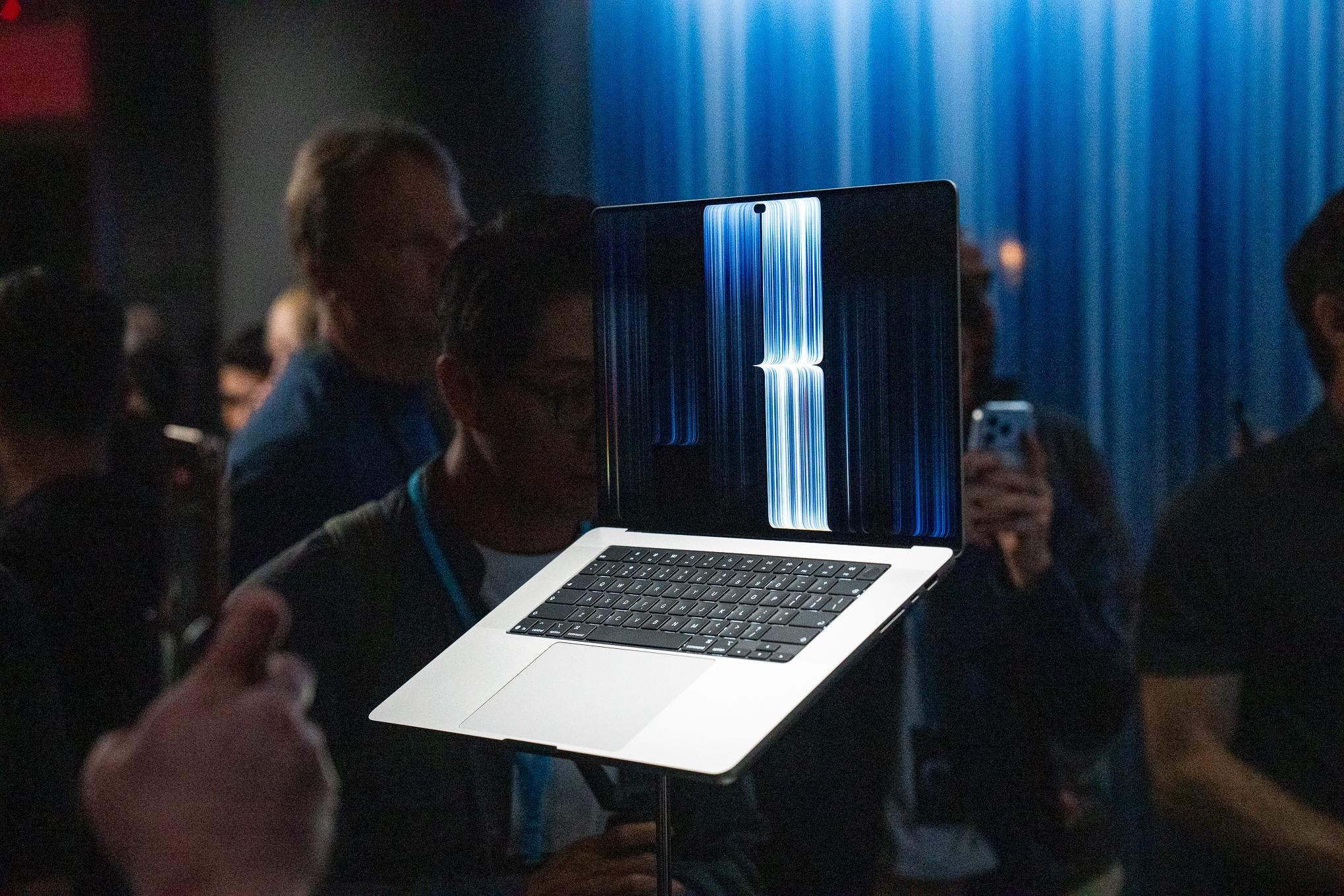
Apple Inc. has shattered a major hardware taboo by introducing the MacBook Pro, the technology giant's inaugural laptop equipped with a touchscreen interface. Unveiled during a surprise product showcase, the new device marks an unprecedented design departure for a company that once steadfastly maintained that physical keyboards and trackpads represented the pinnacle of portable computing ergonomics.
For more than ten years, Cupertino executives actively resisted the industry-wide trend toward touch-enabled portables. This firm stance was heavily influenced by late co-founder Steve Jobs, who notoriously dismissed vertical touchscreen laptops in 2010 as ergonomically disastrous and fatiguing for everyday users. Despite rivals like Microsoft and various Windows original equipment manufacturers adopting touch displays across premium product lines, Apple stubbornly kept its macOS ecosystem strictly tethered to mouse and keyboard inputs.
According to initial hardware evaluations published by technology publication The Verge, the transition to a touch-interactive display has been engineered with meticulous attention to detail, seamlessly blending tactile navigation into the traditional macOS environment without disrupting standard desktop workflows. Early hands-on observers note that Apple has managed to preserve the classic laptop form factor while introducing responsive, multi-touch capabilities that feel surprisingly native to the prosumer audience.
Looking ahead, this landmark release is expected to trigger a significant ripple effect across the personal computer market, forcing enterprise developers to optimize their software suites for touch-driven desktop experiences. As consumer adoption begins, industry watchers will closely monitor how this pivotal pivot influences upcoming iterations of Apple's broader hardware lineup, potentially redefining human-computer interaction for the next decade.